


A quieter look at cultural fluency, regional relevance — and why modest fashion is now a strategic language within luxury.
Hello Beauties,
Luxury has quietly shifted its attention.
Not towards louder fashion or seasonal spectacle, but towards a more considered, culturally fluent way of dressing — one that reflects how people actually live, gather and celebrate. In recent years, modest fashion has moved from the margins of the industry into its strategic centre, not as an adaptation, but as a fully formed luxury category in its own right.
Courtesy: FARFETCH
A strategic shift, not a seasonal moment
This evolution becomes particularly visible around moments of cultural significance. Ramadan, long understood as a time of reflection and togetherness, has increasingly become a focal point for luxury brands seeking to engage with the Middle Eastern fashion community in a way that feels respectful, informed and enduring. The shift is subtle — but decisive.
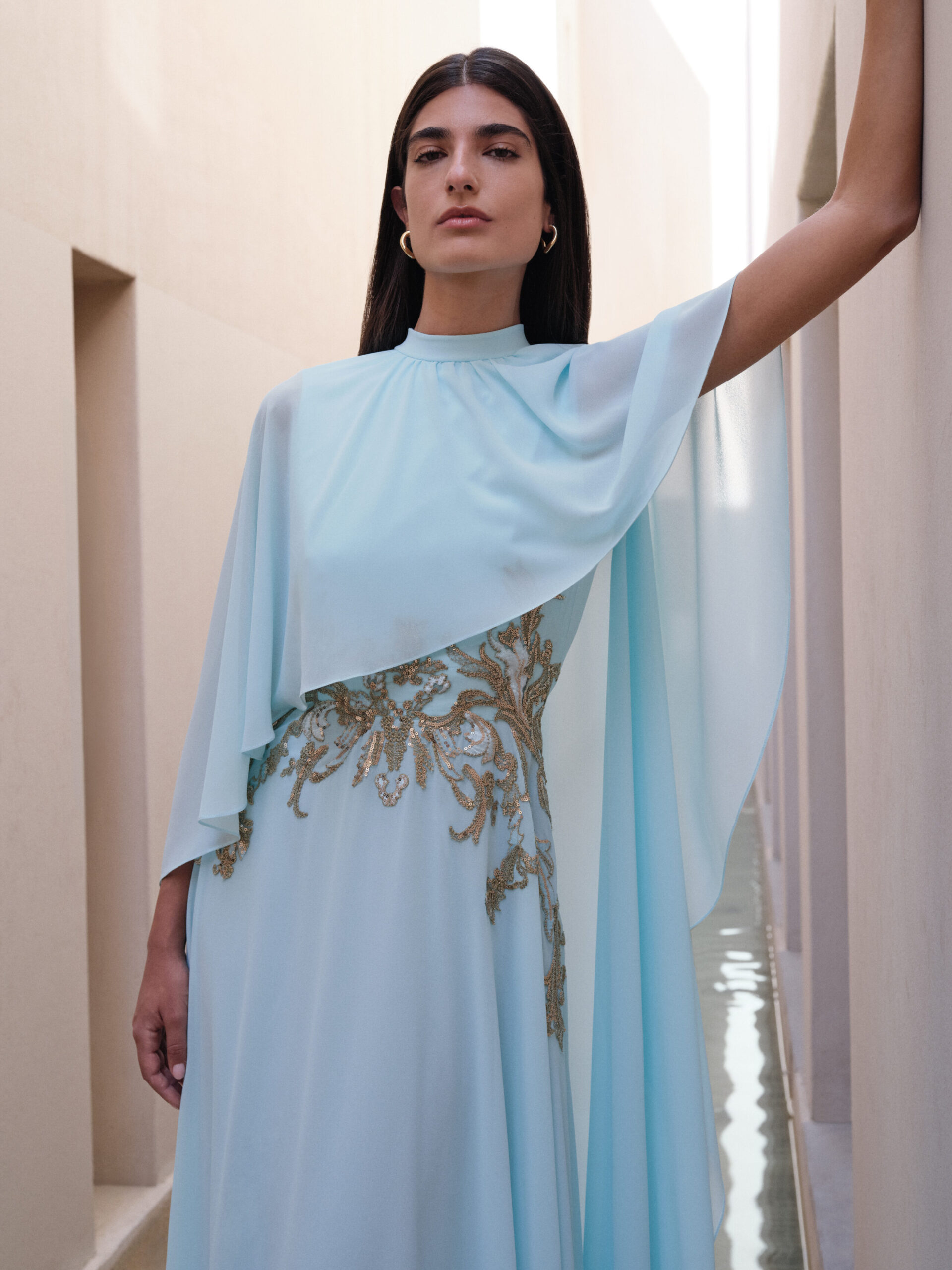
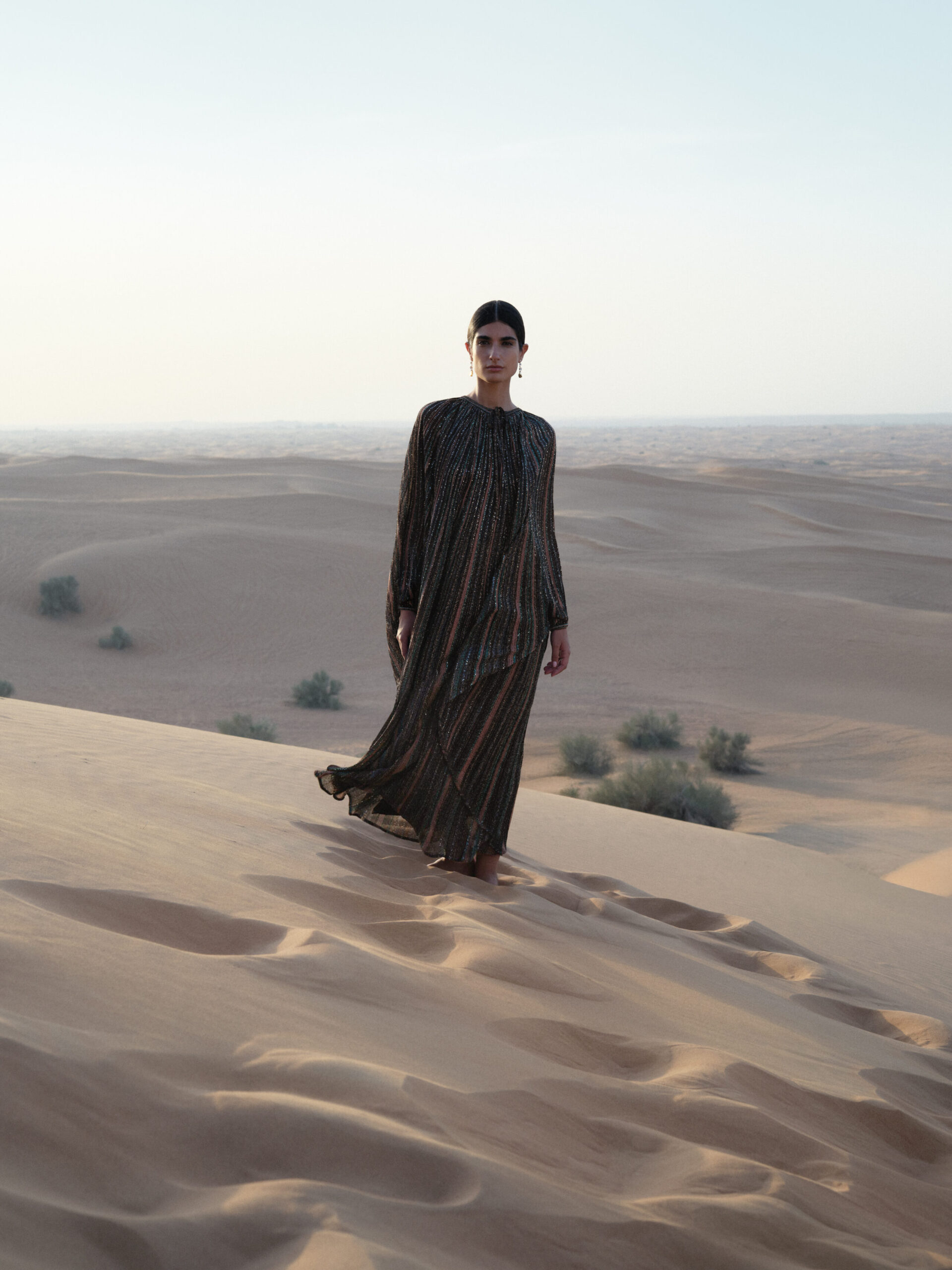
Against this backdrop, FARFETCH’s latest modest curation for Ramadan reads less like a campaign and more like a strategic statement. The edit brings together international fashion houses such as Isabel Marant and Missoni alongside Arab designers including Saiid Kobeisy and Dubai-based label Baruni — positioning modest fashion as a fully integrated luxury category rather than a seasonal niche.
Courtesy: FARFETCH
The placement of Arab talent alongside established international names is particularly telling. Rather than isolating regional designers within a separate narrative, the curation places them naturally within the global luxury conversation — reinforcing the idea that Middle Eastern creativity is not peripheral, but central to where luxury is heading.
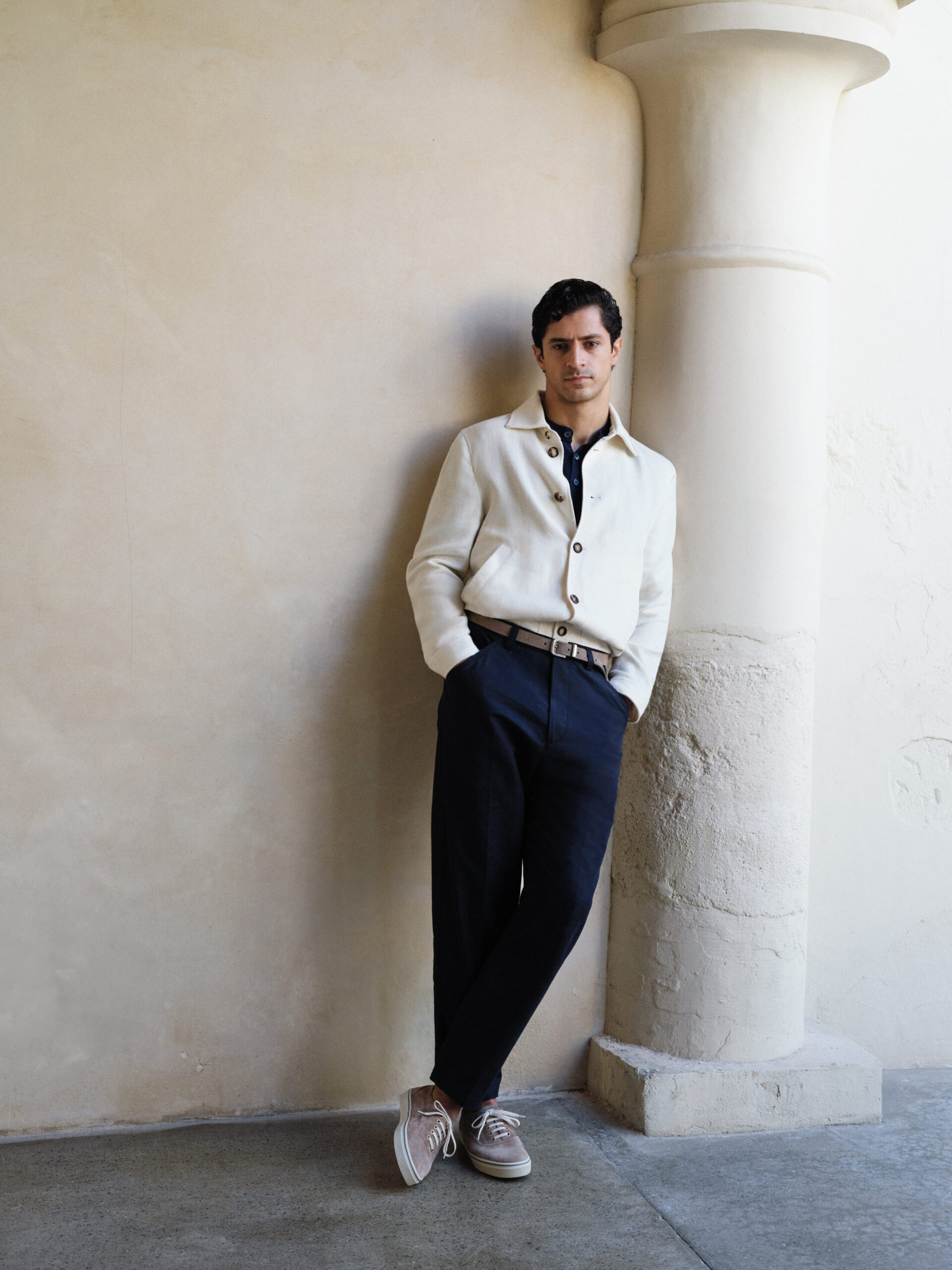
There is also intelligence in the breadth of the offering. From couture-level craftsmanship to refined ready-to-wear and children’s pieces, the selection mirrors the realities of the season itself — shaped by family, shared moments and multi-generational dressing. Luxury here is defined less by excess and more by relevance.
Courtesy: FARFETCH
Why restraint wins
Consumer behaviour supports this recalibration. FARFETCH has observed a clear rise in interest around modest dressing during Ramadan, underlining that this is not a fleeting aesthetic moment but a sustained shift in how luxury is experienced through cultural context. Modest fashion functions not only as a visual language, but as a lived expression of values and lifestyle.
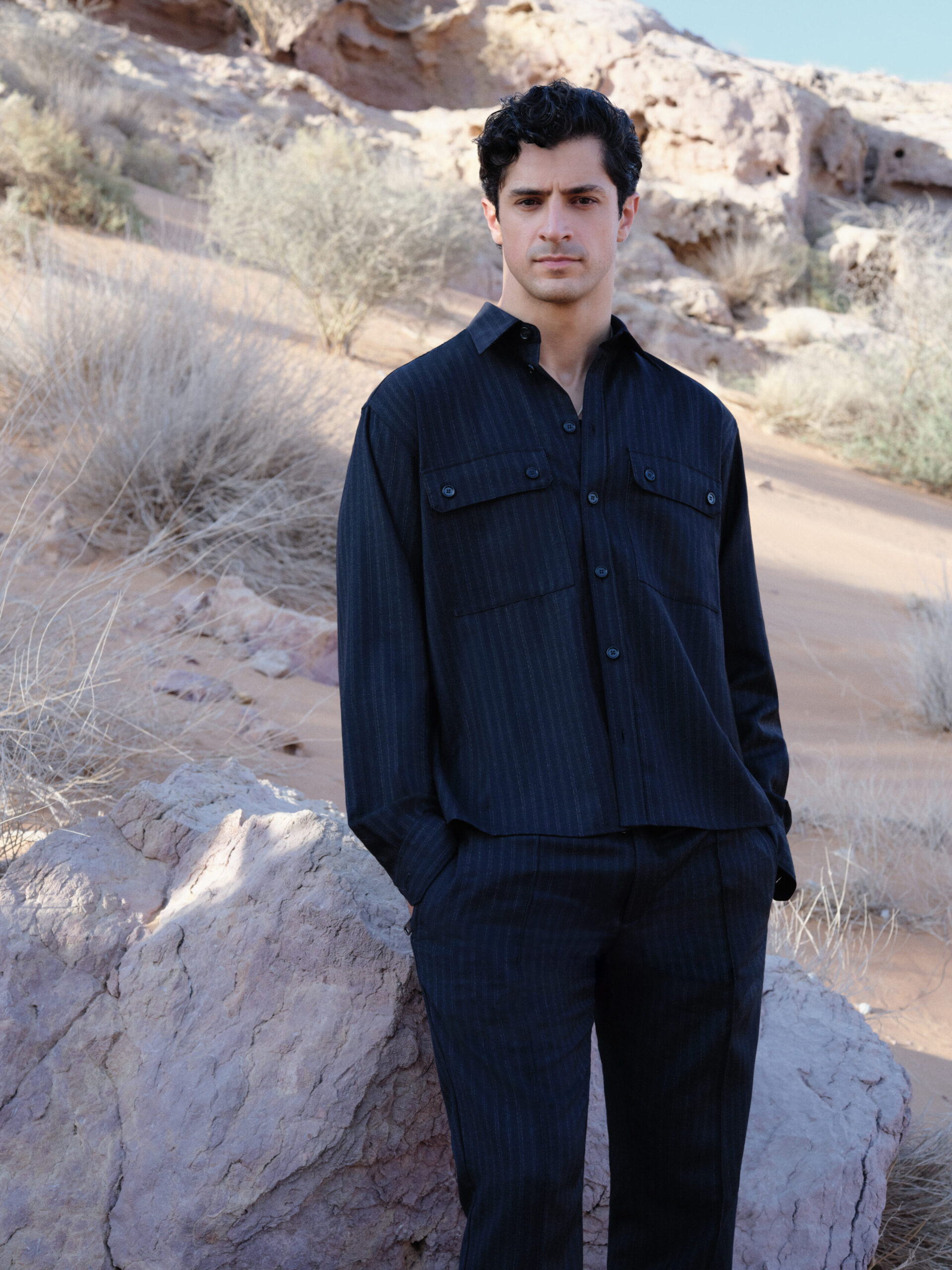
Courtesy: FARFETCH
What ultimately sets this curation apart is its restraint. There is no overt push, no heavy-handed storytelling. Instead, space is left for interpretation — allowing modest fashion to be understood not as a trend, but as a strategic language within contemporary luxury.
As the industry continues to expand its cultural vocabulary, moments like these quietly signal the future. Modest fashion is no longer about localisation or accommodation. It is about fluency — and those who understand it early are already shaping what luxury looks like next.
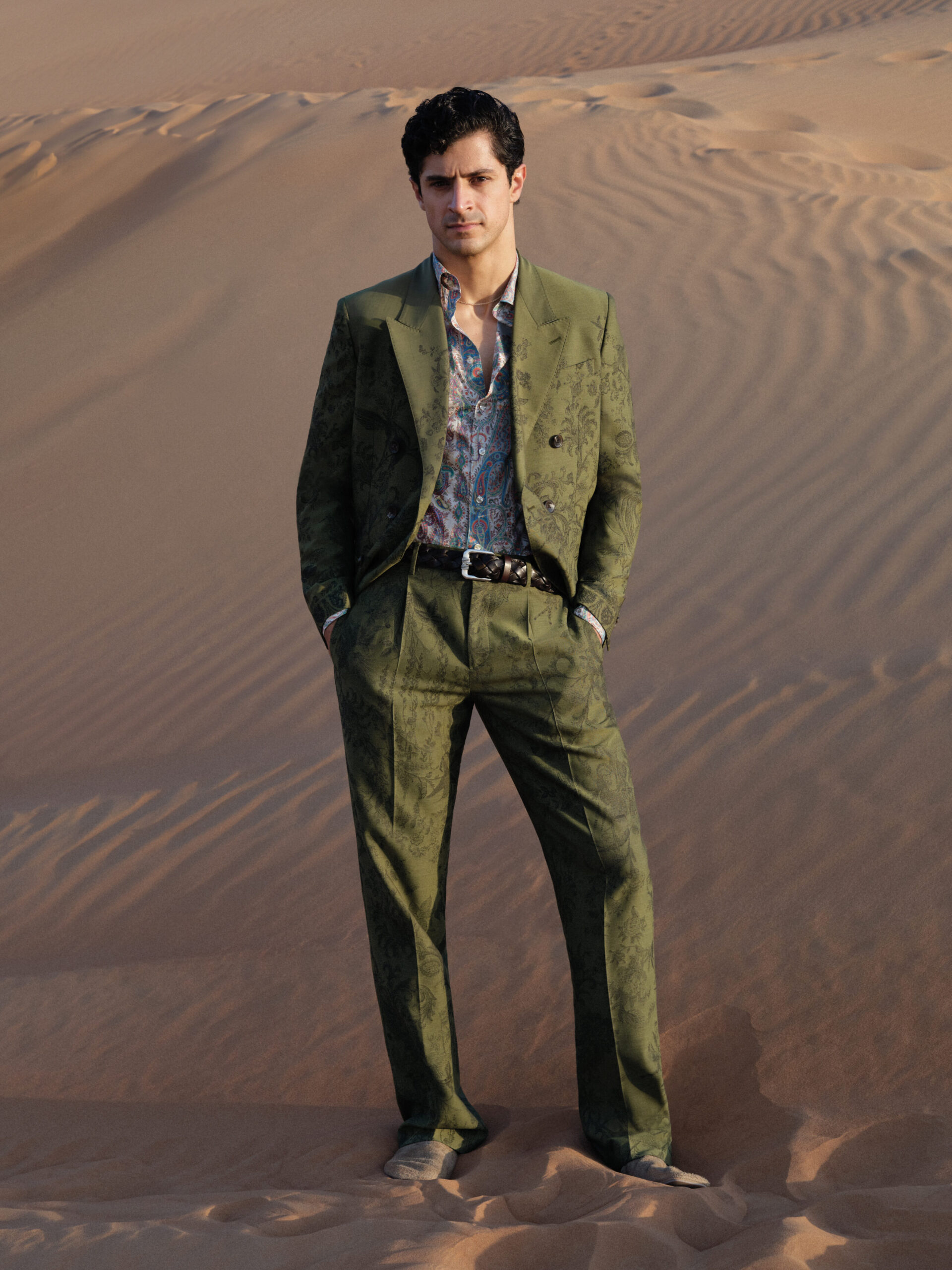
Courtesy: FARFETCH
xo

Recommended Reads
- • 130 Years of the Louis Vuitton Monogram: Heritage in Motion
- • Caroline Stanbury on Reinvention, Modern Femininity and Dubai
