



Hello Beauties,
Just beneath the surface of Oman’s coastline, another world begins to emerge. While dramatic mountains and endless desert landscapes shape the country above ground, the waters of the Arabian Sea reveal a quieter form of luxury — one defined by coral gardens, hidden coves and remarkable marine life.
Stretching across more than 3,000 kilometres of coastline, Oman remains one of the region’s most underexplored diving destinations. Along rugged cliffs and calm turquoise bays, travellers encounter an underwater ecosystem where whale sharks, sea turtles and colourful reef fish continue to thrive largely undisturbed.
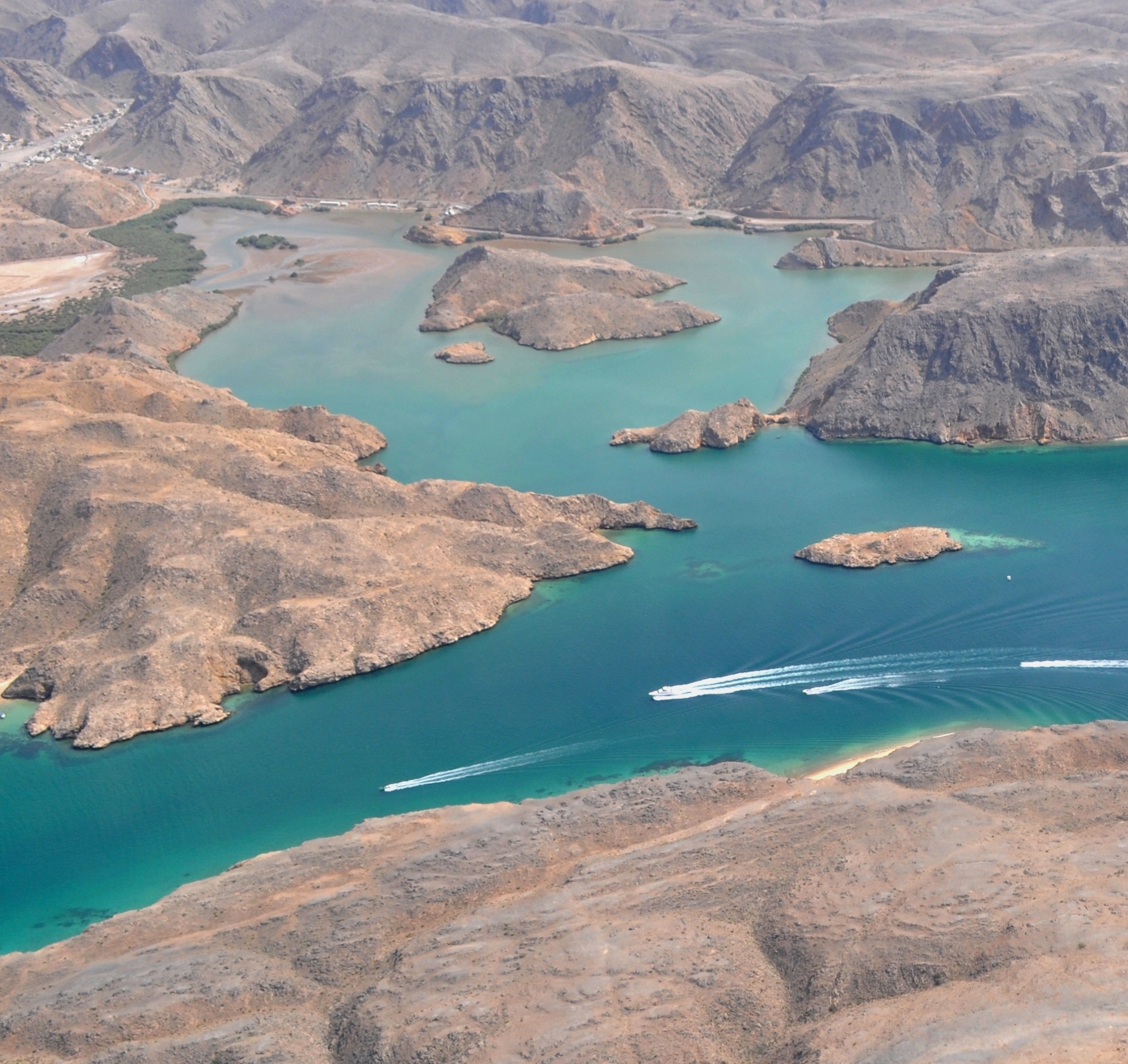
Between Cliffs And Coral Reefs
Along Oman’s coastline, steep rock formations give way to protected bays and hidden marine sanctuaries. Beneath the water’s surface, dramatic drop-offs, coral formations and volcanic rock structures create a cinematic backdrop for both diving and snorkelling experiences.
The reefs remain remarkably healthy, with visibility often reaching impressive distances depending on the season. Schools of barracuda, rays, moray eels and reef sharks move through the waters, while calmer bays provide ideal conditions for beginners discovering Oman’s underwater world for the first time.
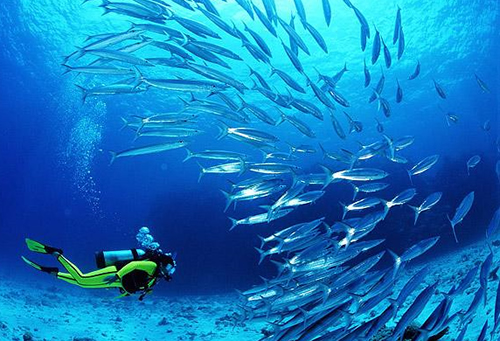
Whale Sharks Near The Daymaniyat Islands
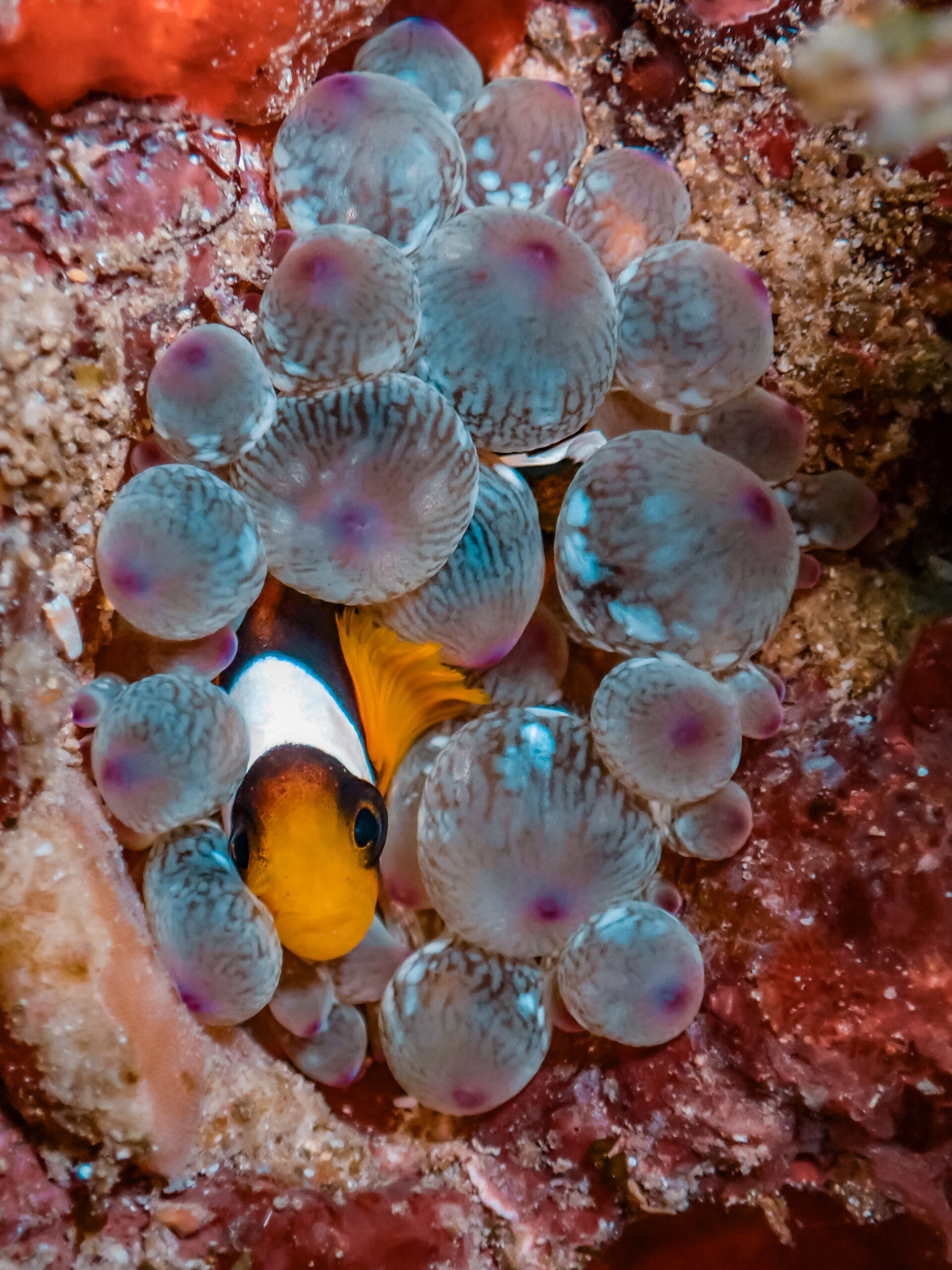
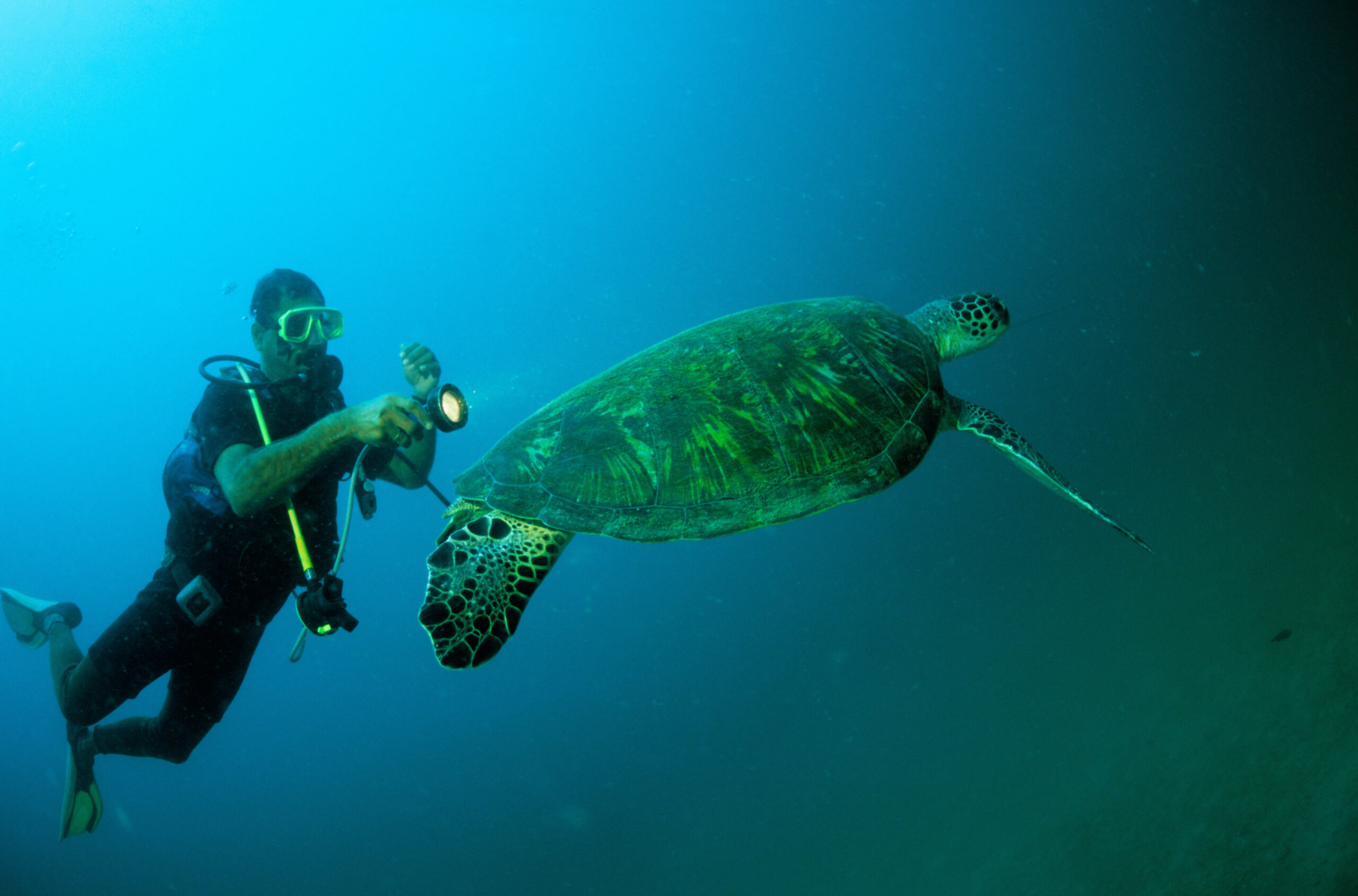
Off the coast of Muscat, the protected Daymaniyat Islands have become one of Oman’s most remarkable marine reserves. Vibrant coral reefs, clownfish and green sea turtles define the area throughout much of the year, while the summer months bring one of the region’s most extraordinary natural encounters — whale shark season.
Despite their enormous size, whale sharks are entirely harmless to humans and remain among the most awe-inspiring sights in the Arabian Sea. Many reefs here sit close to the surface, making the islands equally appealing for snorkellers who wish to experience Oman’s marine life without scuba equipment.
Bandar Khayran And Fahal Island
East of Muscat, Bandar Khayran offers calmer conditions and sheltered bays that are particularly well suited for beginners and snorkelling excursions. Clownfish, parrotfish and moray eels are frequently spotted here, while lucky visitors may also encounter sea turtles gliding through the reefs.
For more experienced divers, Fahal Island — often referred to locally as Shark Island — presents a very different atmosphere. Stronger currents attract white-tip reef sharks, barracudas and larger pelagic species, making it one of Oman’s most exciting dive locations.
The Best Time To Dive In Oman
Diving and snorkelling in Oman remain possible throughout the year, although each season offers a slightly different experience beneath the surface.
- December to March: Pleasant temperatures and stable conditions ideal for first-time visitors.
- April to May: Warmer waters and increasingly diverse marine life.
- June to August: Reduced visibility due to plankton, but peak whale shark season.
- September to November: Exceptional visibility of up to 30 metres and calmer seas.
In many ways, Oman represents a different kind of luxury destination — one where silence, nature and discovery take precedence over spectacle. Beneath the surface, the country’s coastline offers travellers the rare opportunity to experience marine life in a setting that still feels largely untouched.
From the Daymaniyat Islands to Bandar Khayran, Oman’s best diving spots combine coral reefs, whale sharks, luxury coastal landscapes and exceptional snorkelling experiences, making the Sultanate one of the Middle East’s most remarkable underwater destinations.
xo

Recommended Reads
- Luxury Escapes In The Middle East
- The Most Beautiful Coastal Destinations In Oman
- Why Slow Travel Is Defining Modern Luxury
Courtesy: Ministry of Heritage & Tourism Sultanate of Oman; Kiki Multem
