


The Architecture of Perspective
From Dubai to Chicago — how observation wheels became global icons
Hello Beauties,
Some landmarks dominate a skyline. Others change how a city is felt. Observation wheels belong to the second category: they don’t ask to be admired from the outside — they invite you inside, lift you above the noise, and offer a composed pause in motion.
That is why they keep returning across the world’s most photographed waterfronts. Not as nostalgia, but as a modern form of urban theatre: engineered, calm, repeatable — and profoundly shareable.
Dubai — Ain Dubai as the New Benchmark
Dubai reframed the observation wheel as a contemporary landmark language: scale, experience, and a deliberately cinematic relationship to the skyline. Ain Dubai is the tallest in the world — but the more interesting point is what it sells emotionally: elevation as quiet luxury.
From inside the cabins, the city reads differently — Marina geometry, open sea, horizon lines. In a destination built on speed, the most exclusive feeling is often stillness. Ain Dubai delivers exactly that: a vertical pause, curated as an experience.
This is the shift: wheels are no longer “rides”. They are platforms — for views, for private moments, for events, for memory. And once one city proves the model, others follow.
Chicago — Where the Modern Story Began
The modern observation wheel story begins in Chicago. In 1893, at the World’s Columbian Exposition, George Washington Gale Ferris Jr. presented a steel wheel as America’s answer to the Eiffel Tower — a technical statement designed to be felt, not just seen. It turned engineering into public wonder and perspective into civic pride.
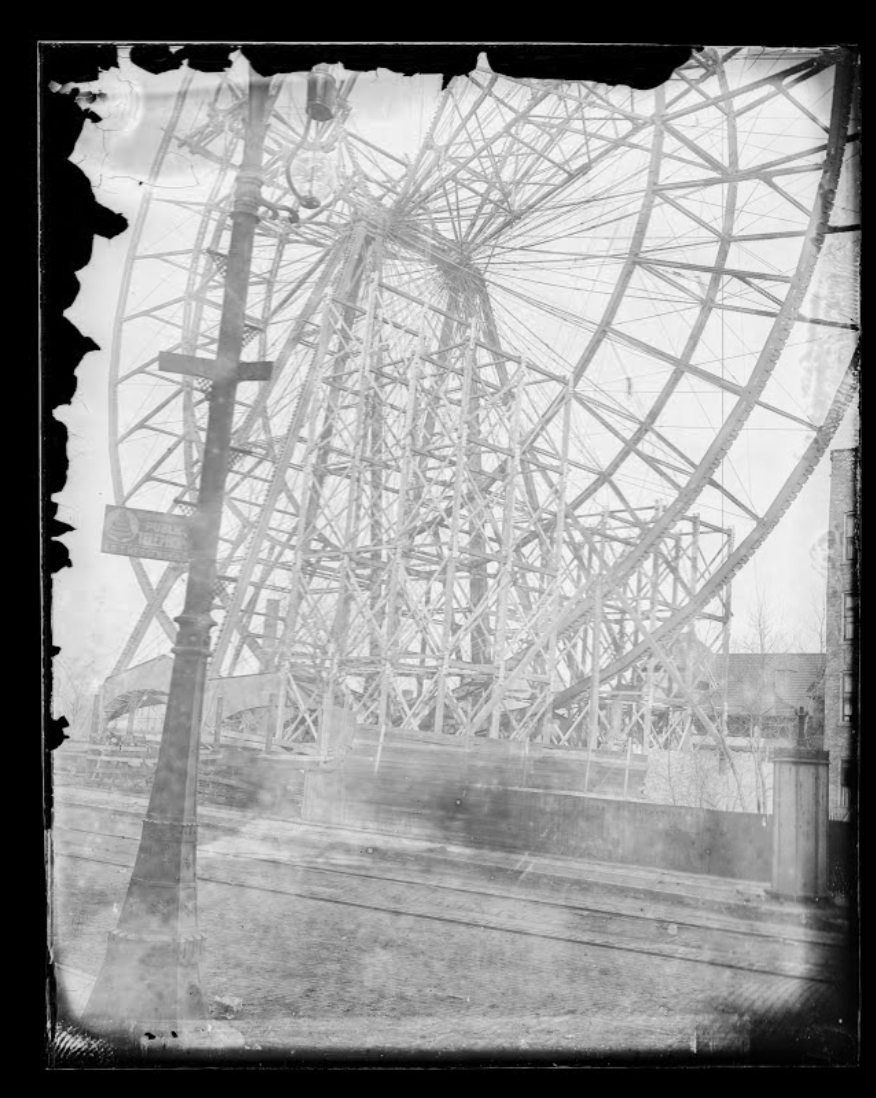
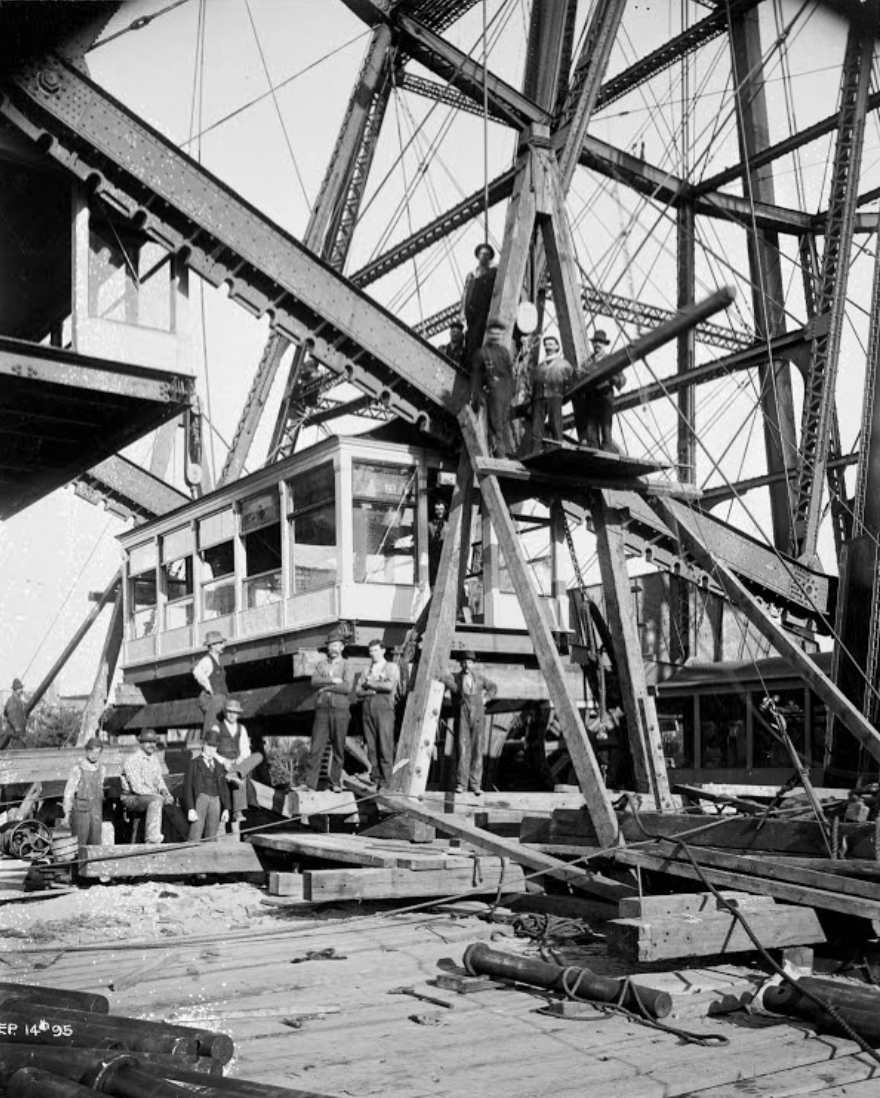
Courtesy: Chicago History Museum
Today, the idea lives on in updated form at Navy Pier — not as a replica, but as a continuation: the city still understands that a view can be a cultural symbol.
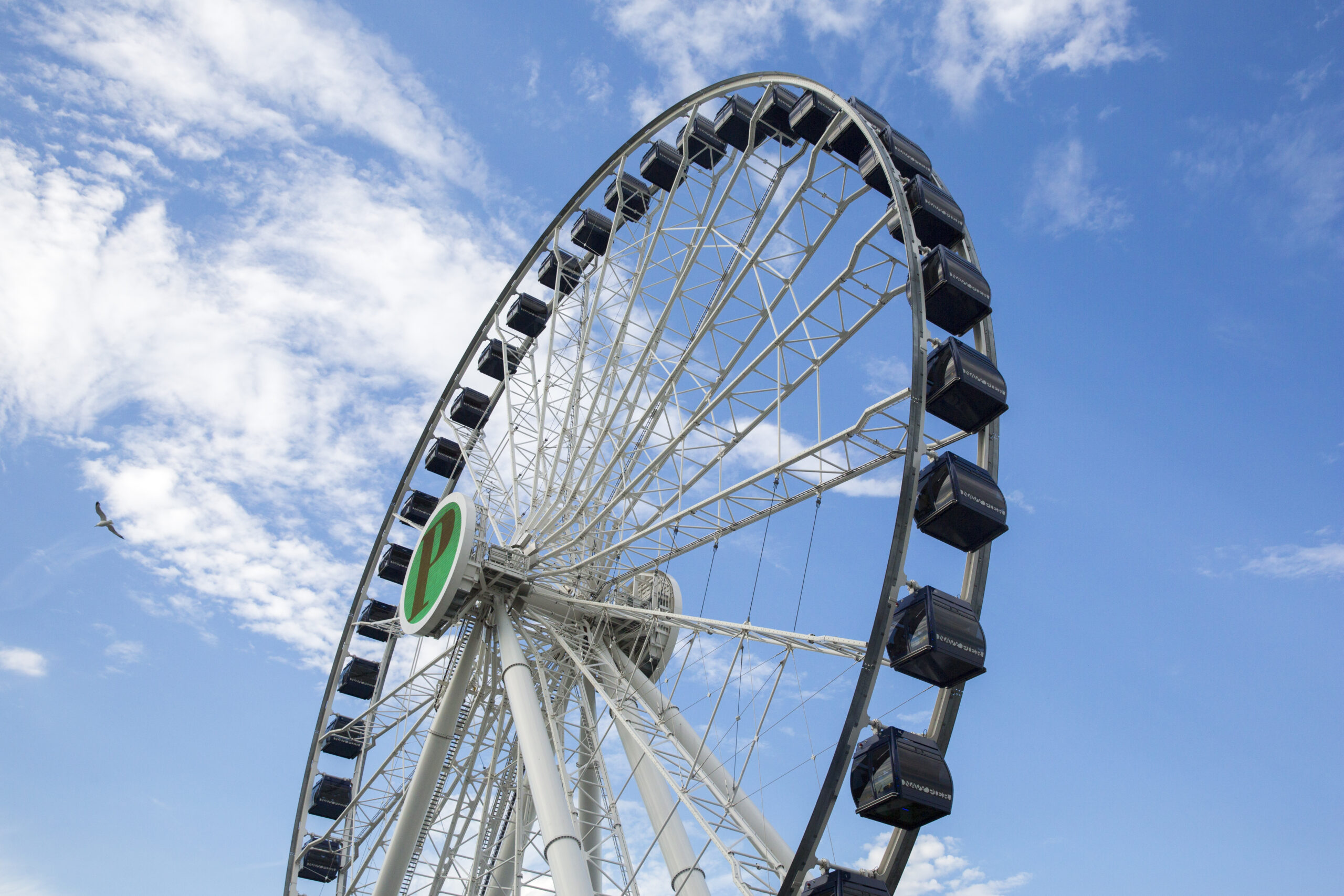
Courtesy: Navy Pier
Niagara — When Nature Becomes the Backdrop
At Niagara, the wheel is less about a skyline and more about a frame. The falls are the spectacle; the structure simply delivers perspective. The experience works because it is controlled motion above uncontrolled force — a calm arc suspended over raw power.
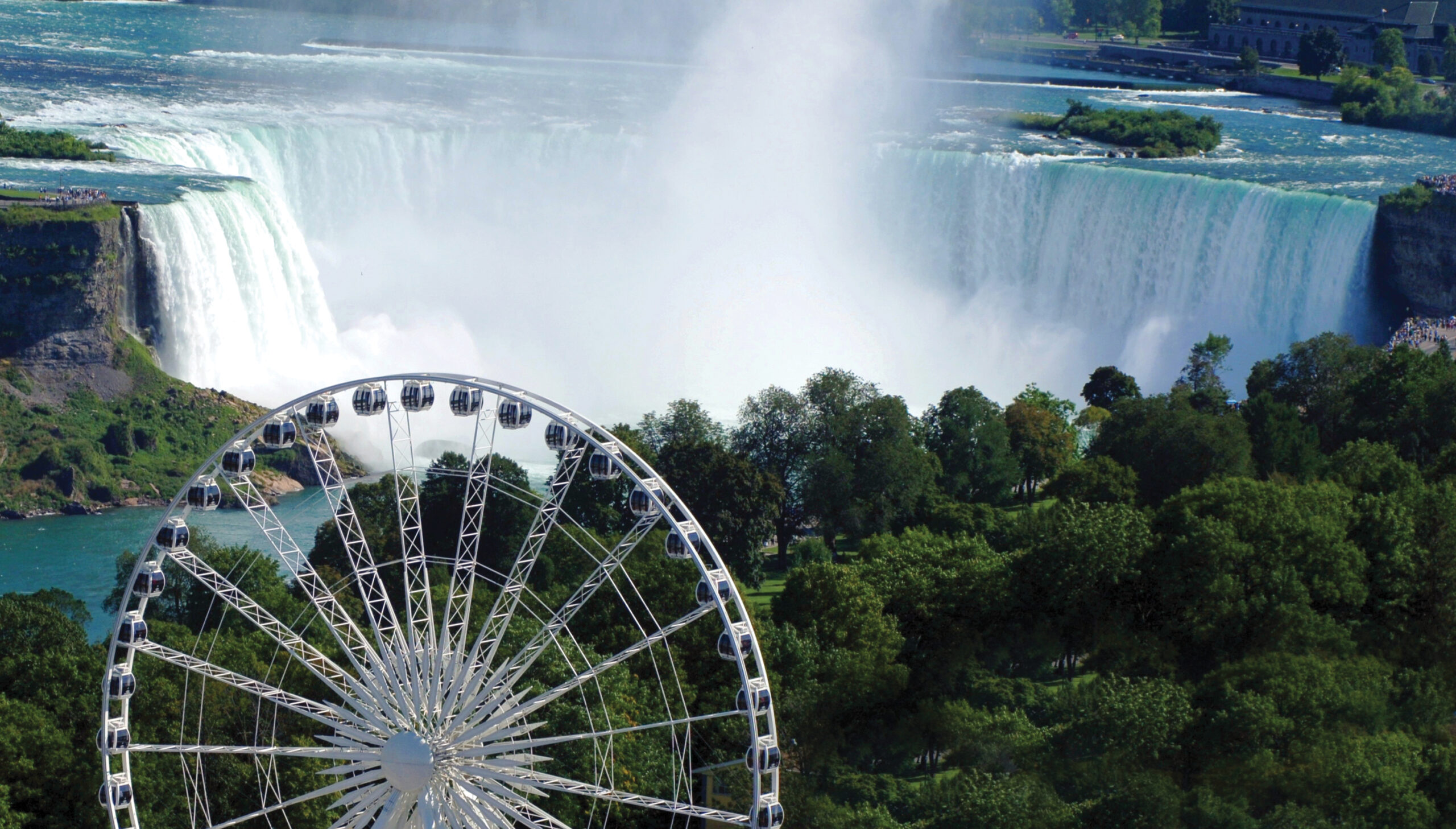
Courtesy: Niagara Falls Tourism
Saint-Jean-de-Monts — The Seasonal Wheel as a Ritual
On the French Atlantic coast, the wheel is a seasonal marker. It arrives, rises, lights up, and quietly announces: summer has begun. Temporary structures can still create permanent memory — and that is exactly what these coastal wheels do so well.
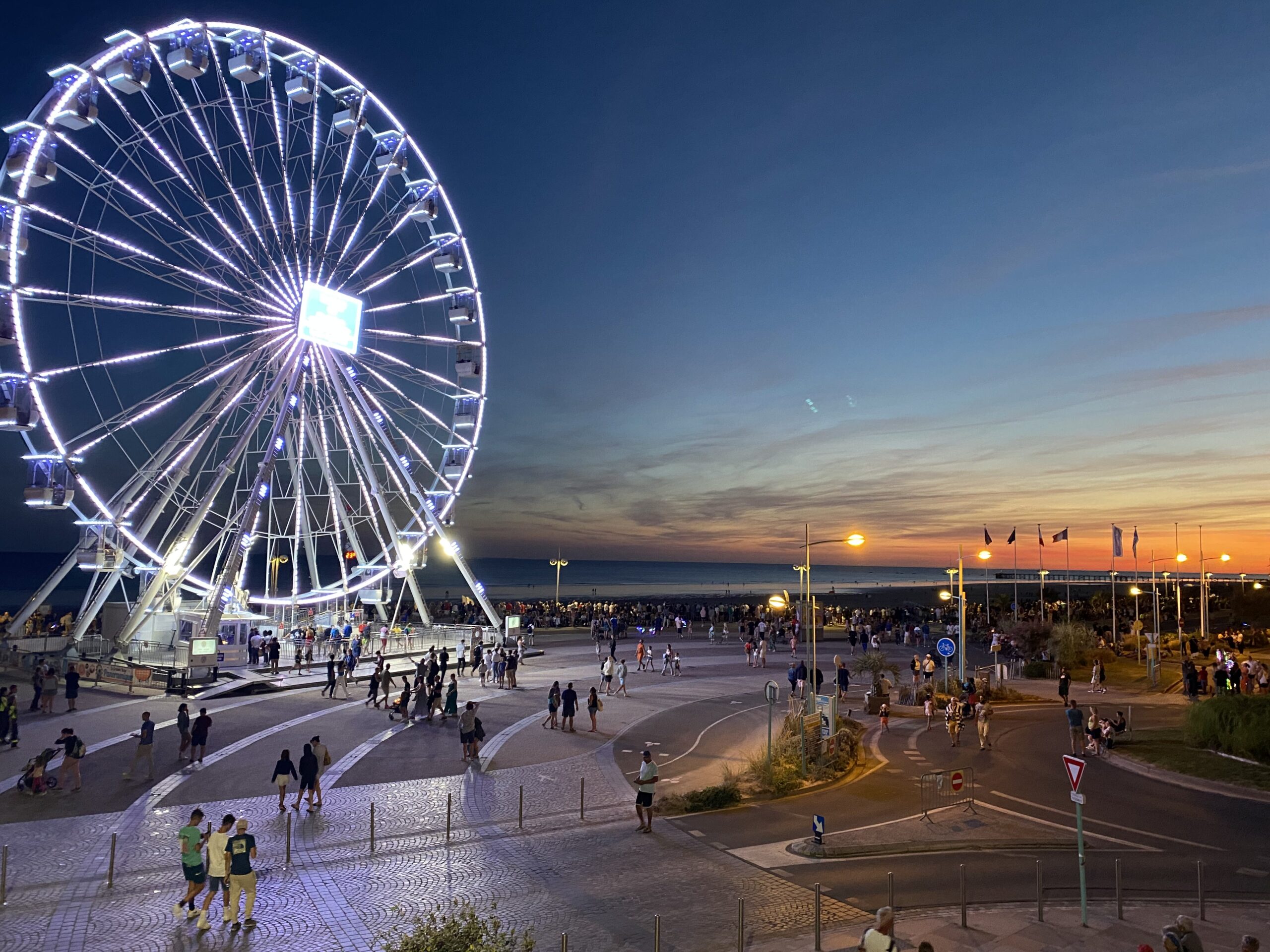
Courtesy: Florian Peroud
Seattle — Light, Water, Skyline
Seattle’s wheel anchors the waterfront with a clean silhouette and a highly modern after-dark identity. Here, the observation wheel becomes a design element: a moving line of light that completes the city’s shoreline narrative.
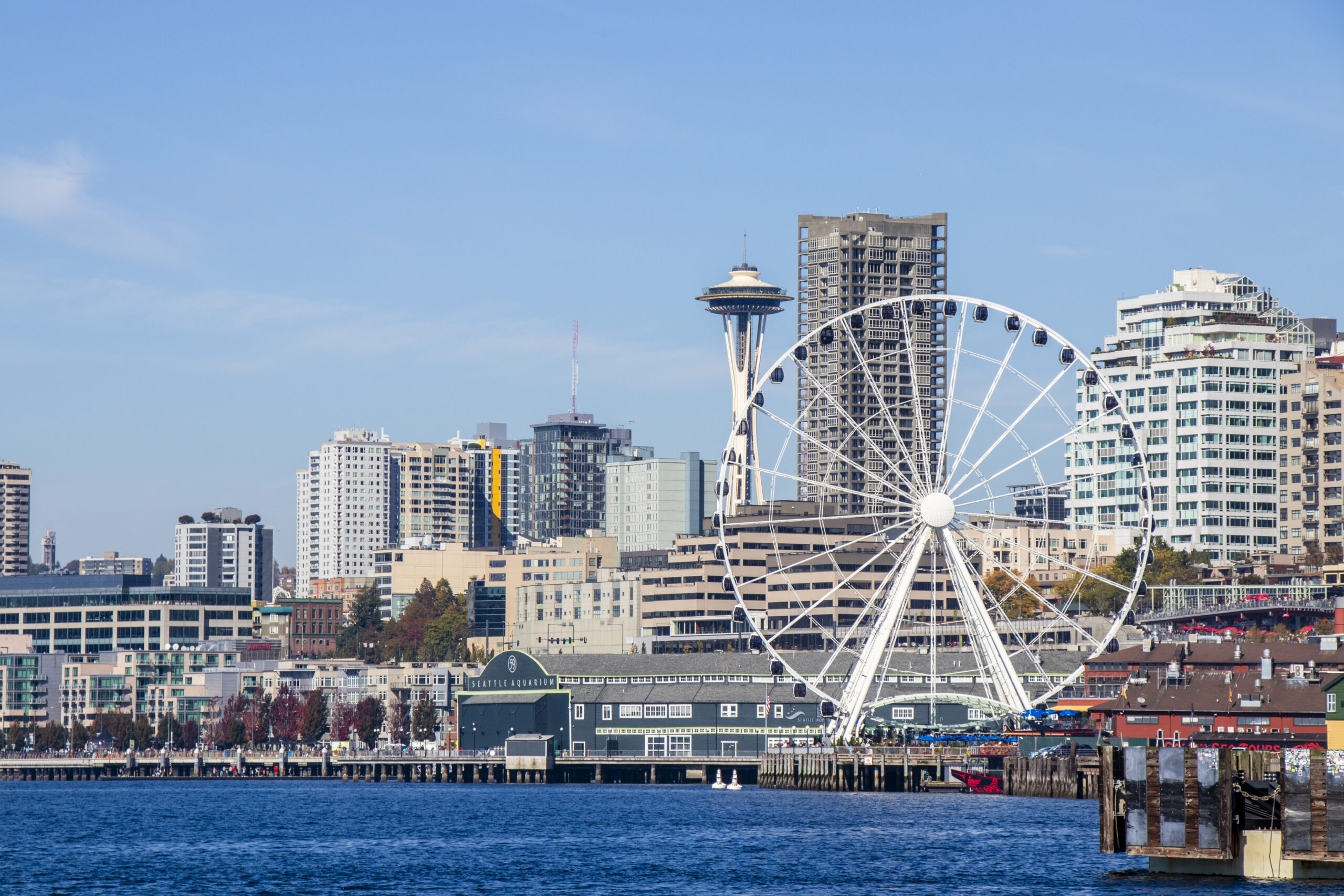
Courtesy: Visit Seattle / David Newman
Galveston — The Wheel as Nighttime Atmosphere
In Galveston, the wheel is pure coastal theatre. Over the pleasure pier, it turns light into atmosphere — a recognisable symbol that reads instantly: sea air, horizon, movement, night.
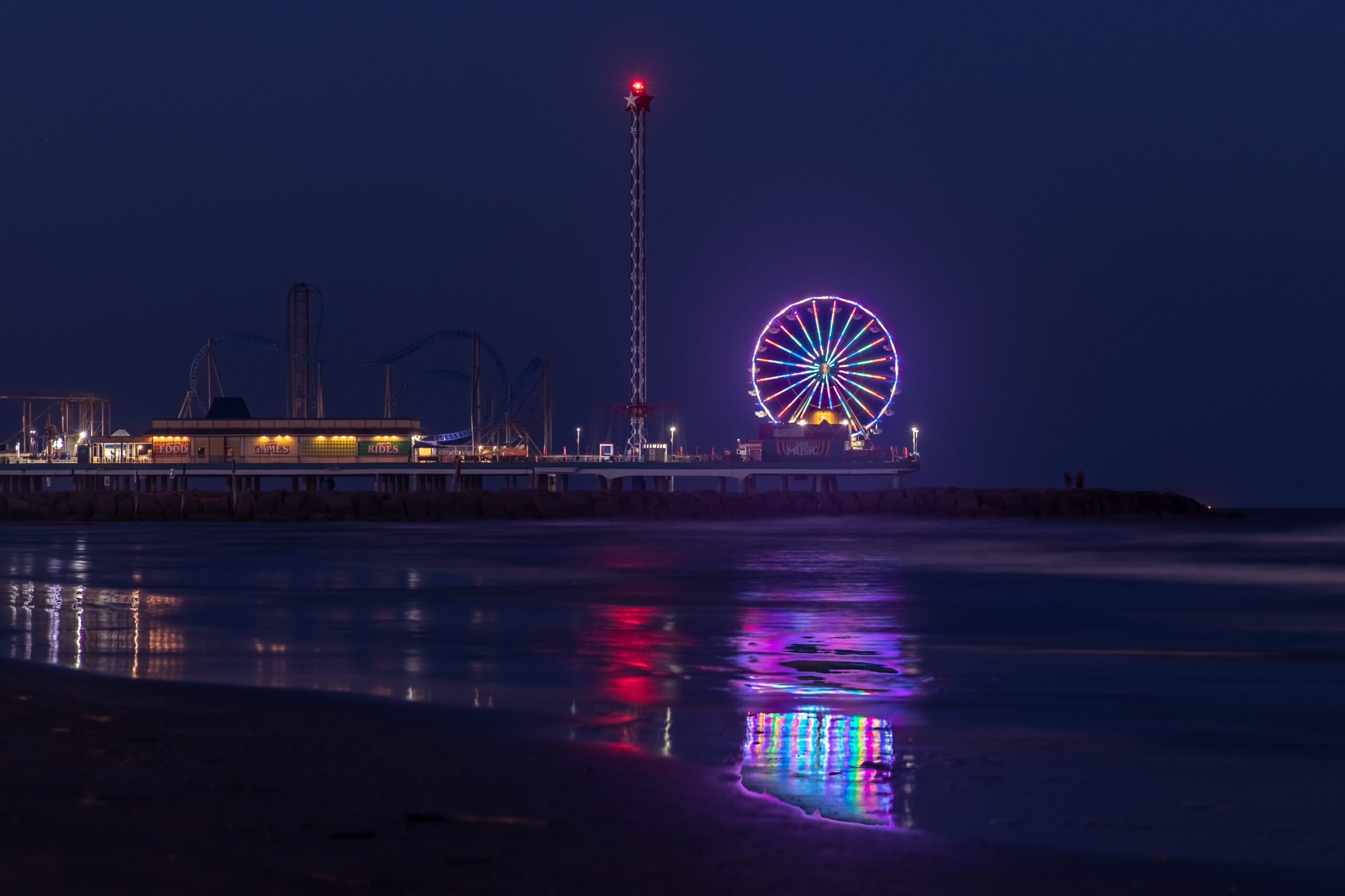
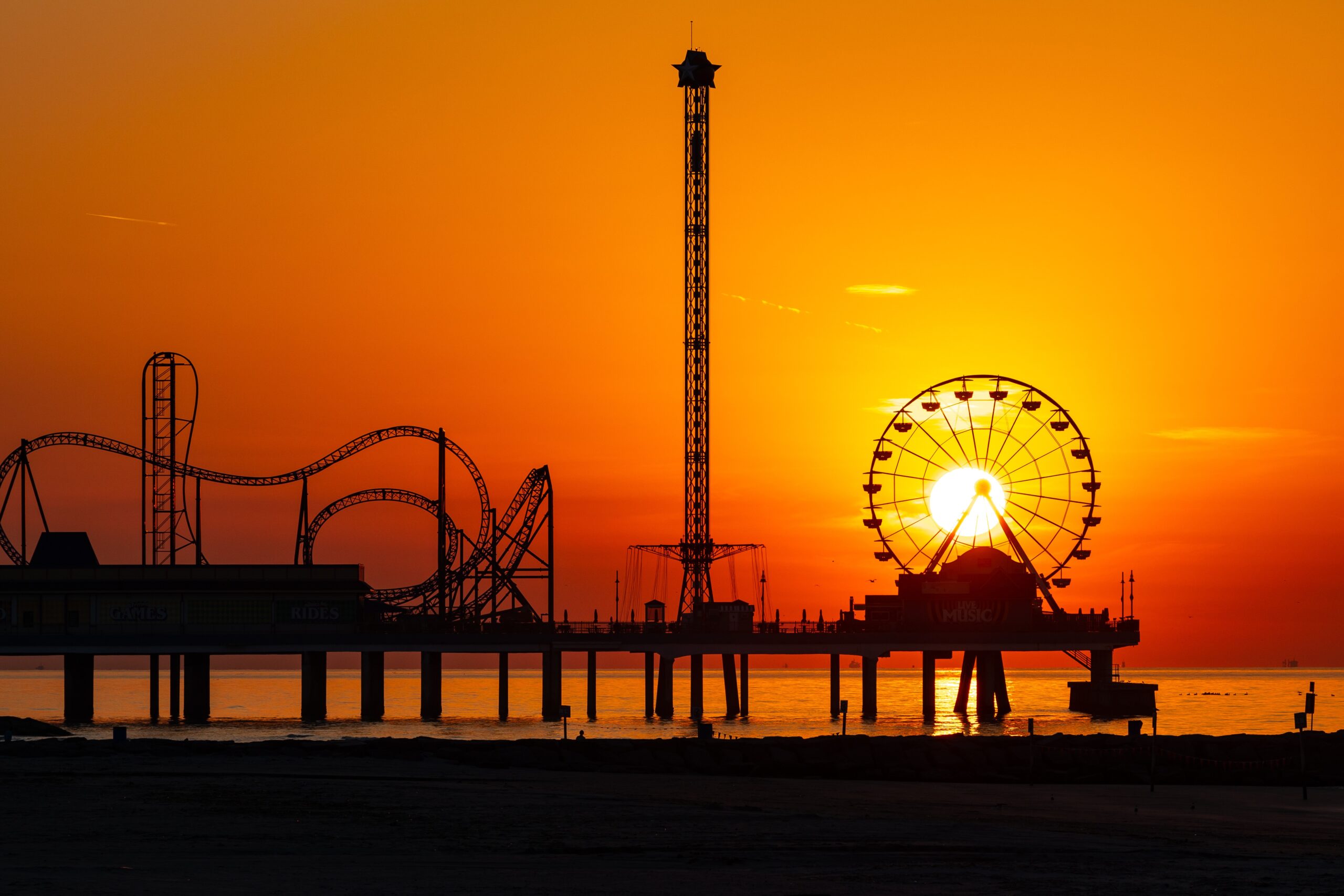
Courtesy: Travel Texas
Why Cities Keep Building Them
Observation wheels succeed because they balance opposites: movement and stillness, engineering and emotion, spectacle and calm. They offer height without intimidation — a democratic skyline experience that feels personal inside the cabin.
In a world where travel is increasingly visual, “perspective” becomes a form of currency: a photograph, a proposal, a private moment above the city. That is why these structures keep appearing on waterfronts and promenades — they turn place into memory with minimal effort and maximum effect.
xo

Recommended Reads
- Dubai Trend Hotspots 2026: Best New Cool Places To
- Ramadan in Oman – A Refined Travel Escape From Dubai
- Ras Al Khaimah Reports Record Tourism Growth in 2025
