


THE TBM TRAVEL EDIT · OMAN
Oman Travel 2027: Why The Sultanate Is One Of The Places To Travel Next Year
Lonely Planet has put Oman travel 2027 firmly on the radar — just as a quieter new chapter of mountain stays, cultural experiences and contemporary Omani hospitality is taking shape.
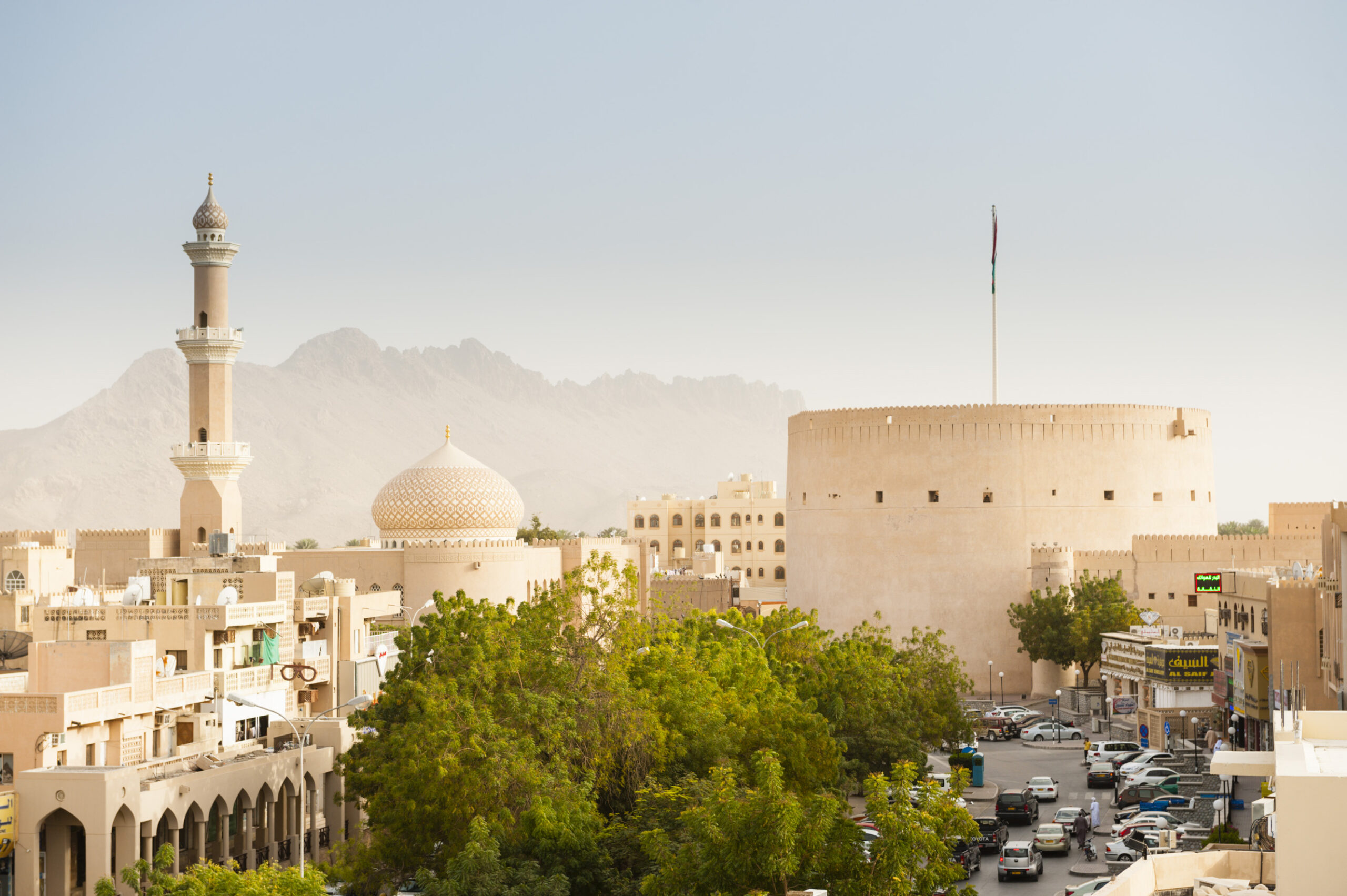
Nizwa, Oman. © Justin Foulkes for Lonely Planet.
Hello Beauties,
Oman travel 2027 is already shaping up to be one of the region’s most interesting stories. The Sultanate has never needed to compete on volume; its appeal lies somewhere else entirely: in space, landscape, ritual, history and a kind of hospitality that still feels personal. Now Lonely Planet has placed Oman in its Best in Travel 2027 selection, highlighting its Arabian hospitality and bringing fresh international attention to a destination that has been quietly evolving for years.
For us, the timing is interesting. This is not simply a story about a travel ranking. Across Jebel Akhdar and Muscat, new hospitality concepts and cultural experiences are finding contemporary ways to tell a very old story — without flattening what makes Oman distinctive in the first place.
What You Need To Know
The Recognition
Oman is part of Lonely Planet’s Best in Travel 2027 selection and is highlighted for Arabian hospitality.
The New Stay
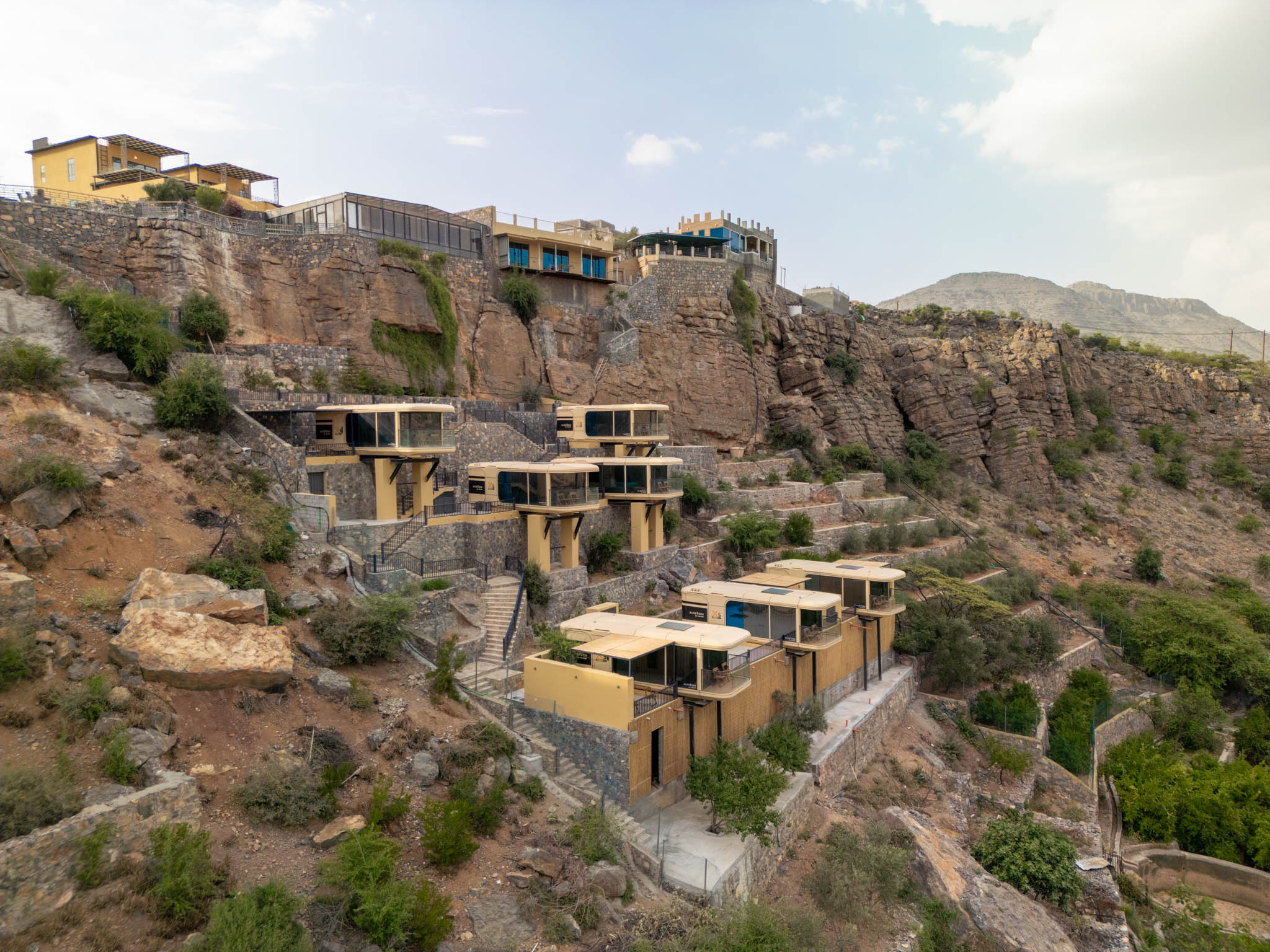
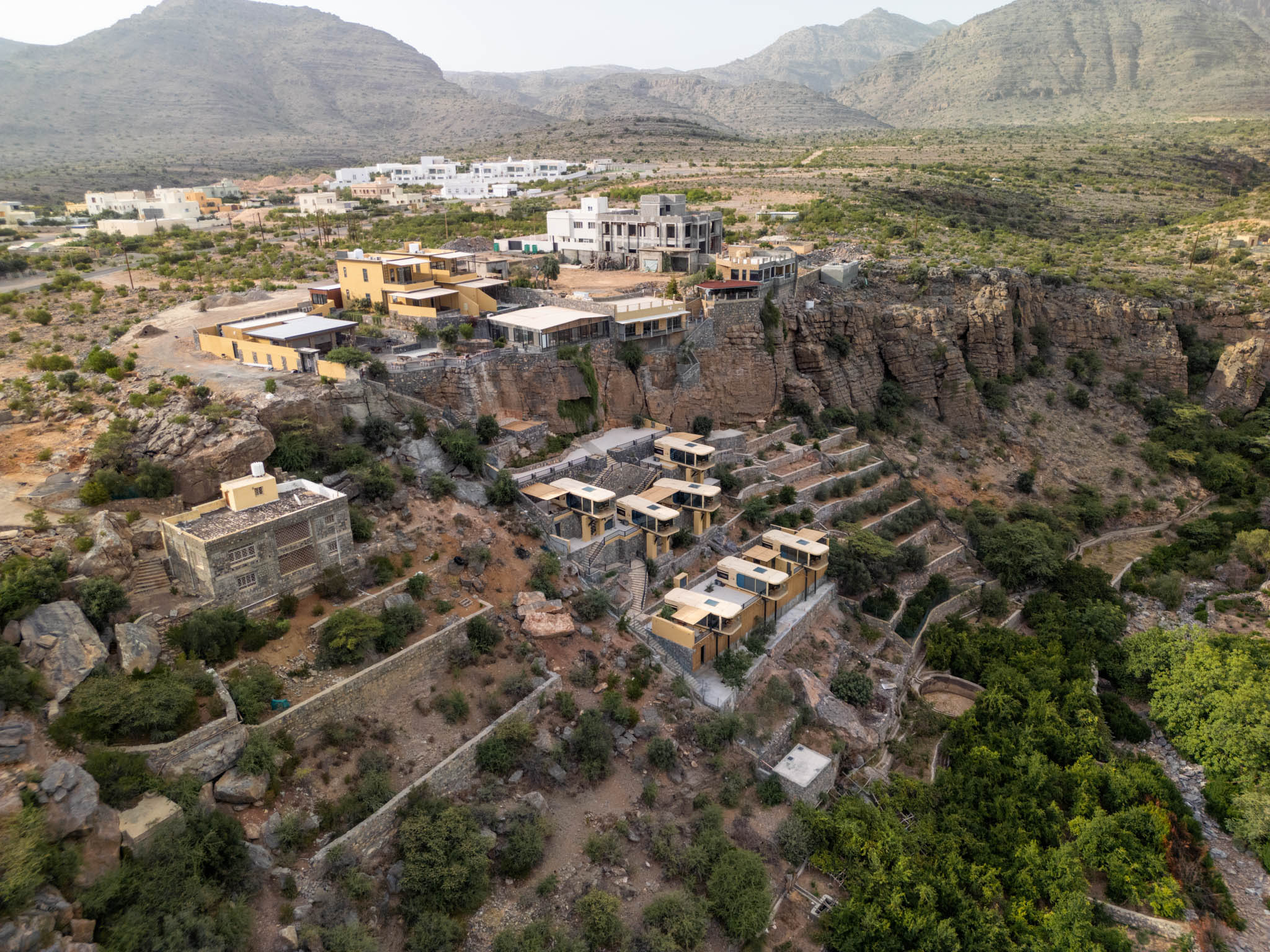
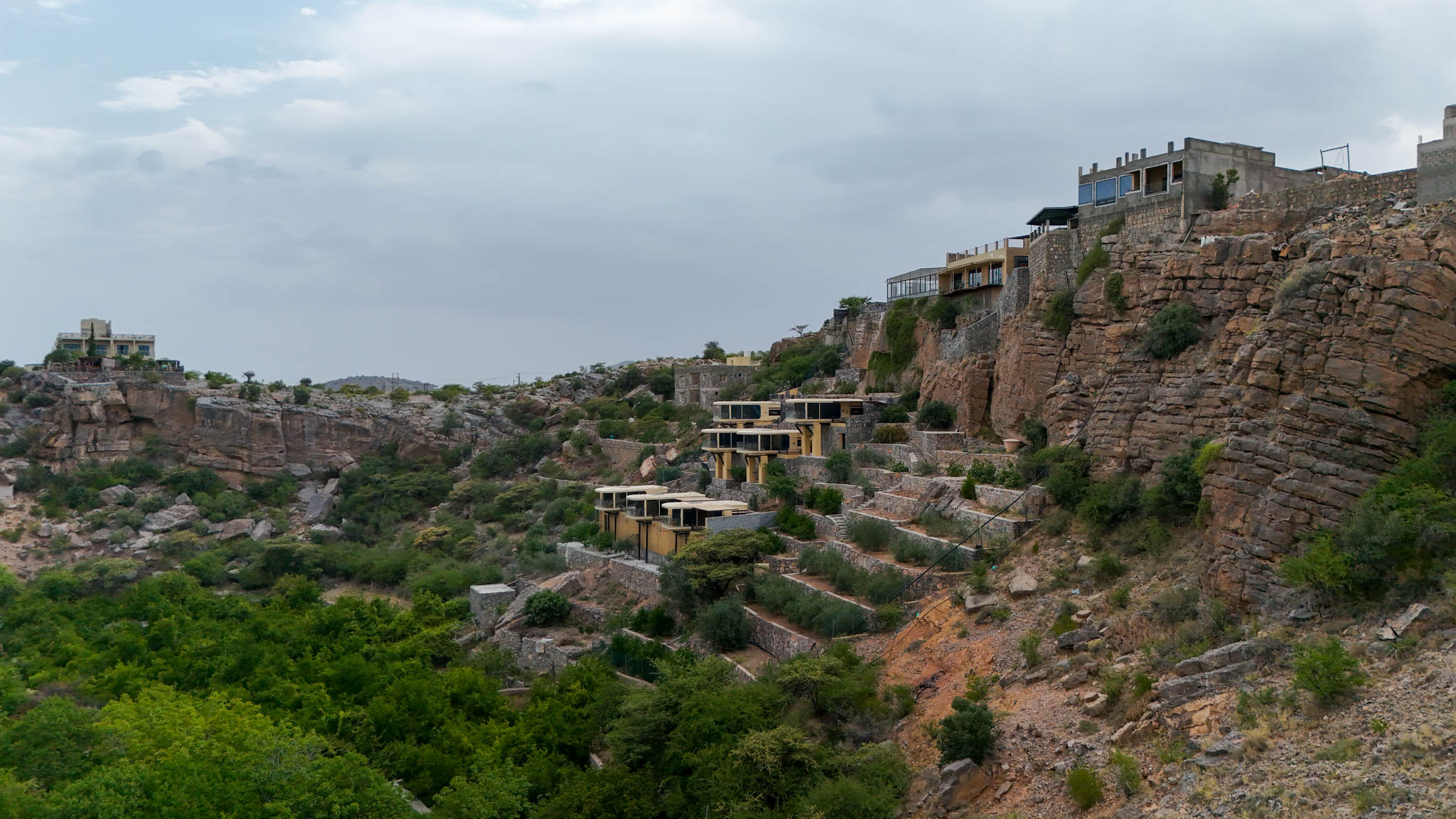
Aloevera DCamp opened in Saiq, Jebel Akhdar, in September 2026 with seven modular mountain houses at around 2,000 metres.
The Cultural Experience
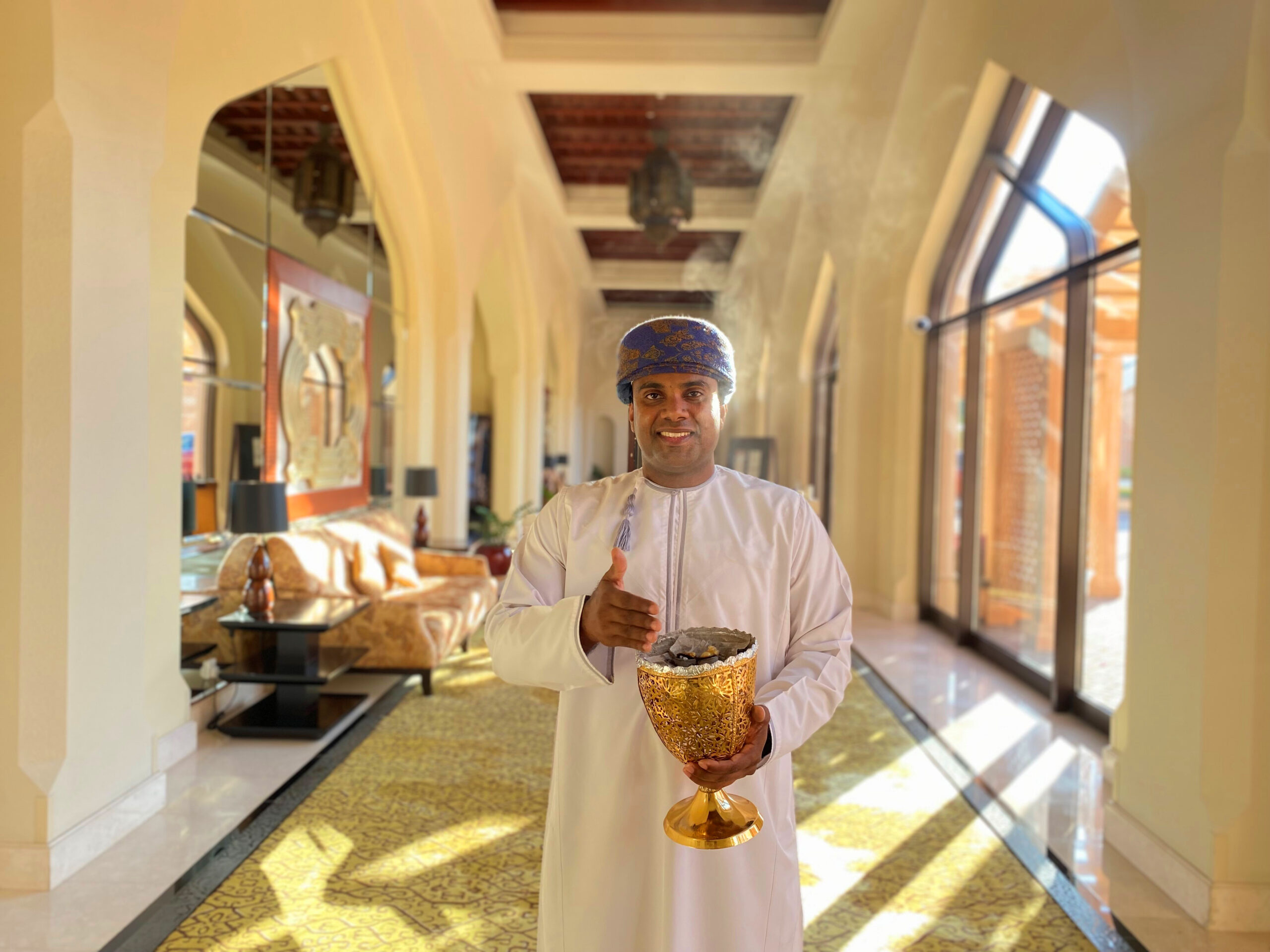
At Hilton Muscat, Barr Al Jissah Resorts, frankincense is explored through a dedicated garden and experiences with Omani frankincense specialist Khalid Al Amri.
Why It Matters
Oman’s strongest travel proposition is increasingly its combination of cultural depth, landscape and understated hospitality rather than spectacle for spectacle’s sake.
Why Oman Travel Is Back On The Global Radar For 2027
Lonely Planet’s annual Best in Travel selection looks at places and experiences worth building a trip around in the year ahead. For 2027, Oman appears among the destinations chosen by the publisher’s global network, with its landscapes, coastline and hospitality forming the centre of the recommendation.
That description feels unusually accurate. Oman is spectacular, but it is rarely loud about it. The country moves between desert, mountains, wadis and a long coastline while retaining a strong cultural identity that is visible in everyday details — from architecture and dress to food, incense and the way guests are received.
For GCC travellers in particular, that makes Oman an appealing counterpoint to the region’s more urban luxury capitals. It is close enough to feel accessible, but different enough to reset the pace entirely.
A New Mountain Stay That Lets The Landscape Lead
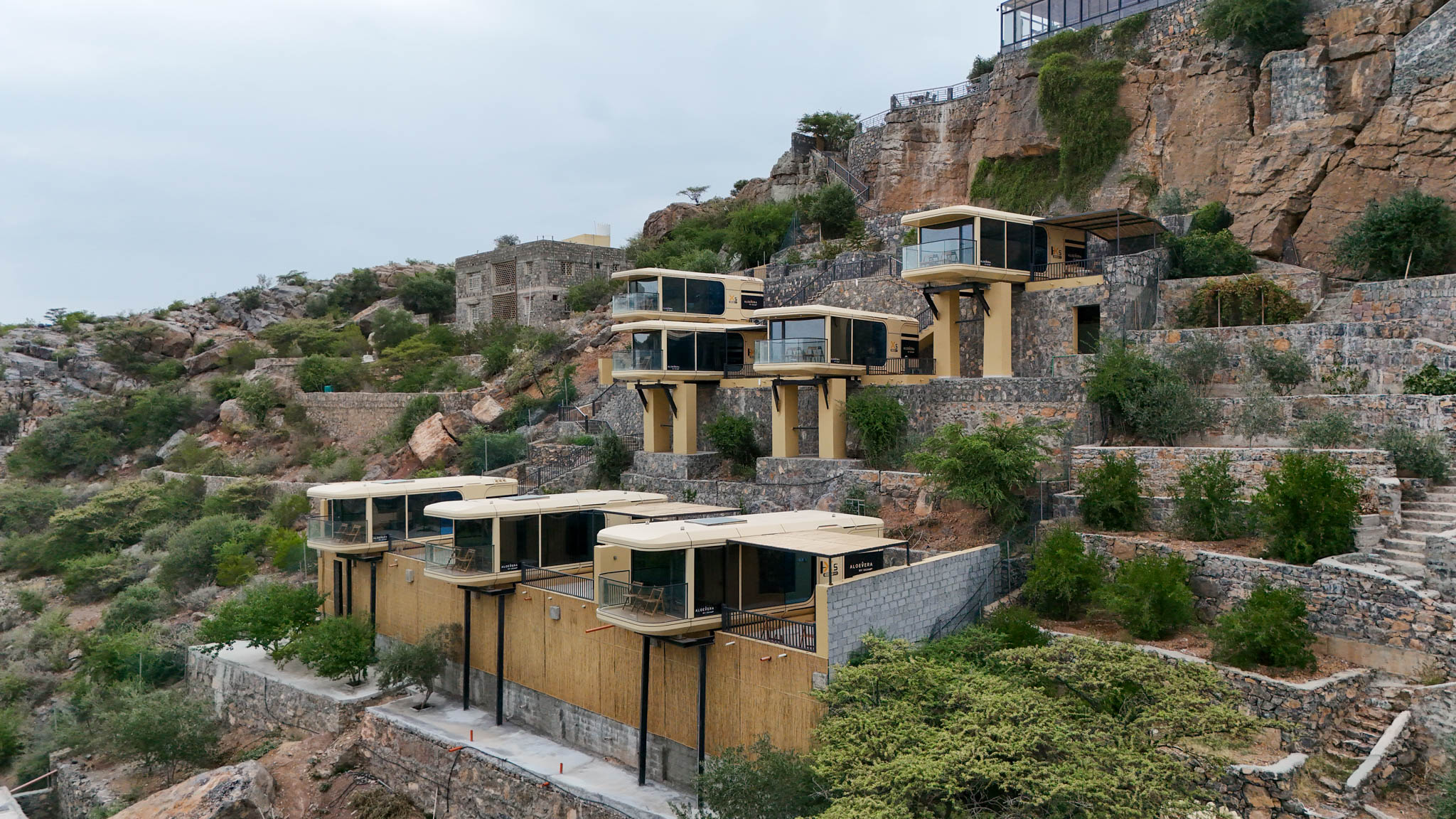
High in Jebel Akhdar — the Green Mountain — one of Oman’s newest stays opened in September 2026. Aloevera DCamp sits in the village of Saiq at around 2,000 metres, surrounded by the steep ridges and cultivated terraces that define this part of the Hajar Mountains.
The concept is deliberately small: seven modular houses positioned within the mountain landscape, with large windows opening towards the canyon. Timber, natural stone and restrained architecture keep the visual language quiet. There is no attempt to overpower the setting, which is precisely the point.
Jebel Akhdar has long been known for its cooler climate, hiking routes and terraced farms. Between March and May, Damask roses bloom across the mountain villages and are traditionally distilled into rose water. Aloevera DCamp adds a contemporary hospitality layer to that landscape without turning it into a conventional resort experience.
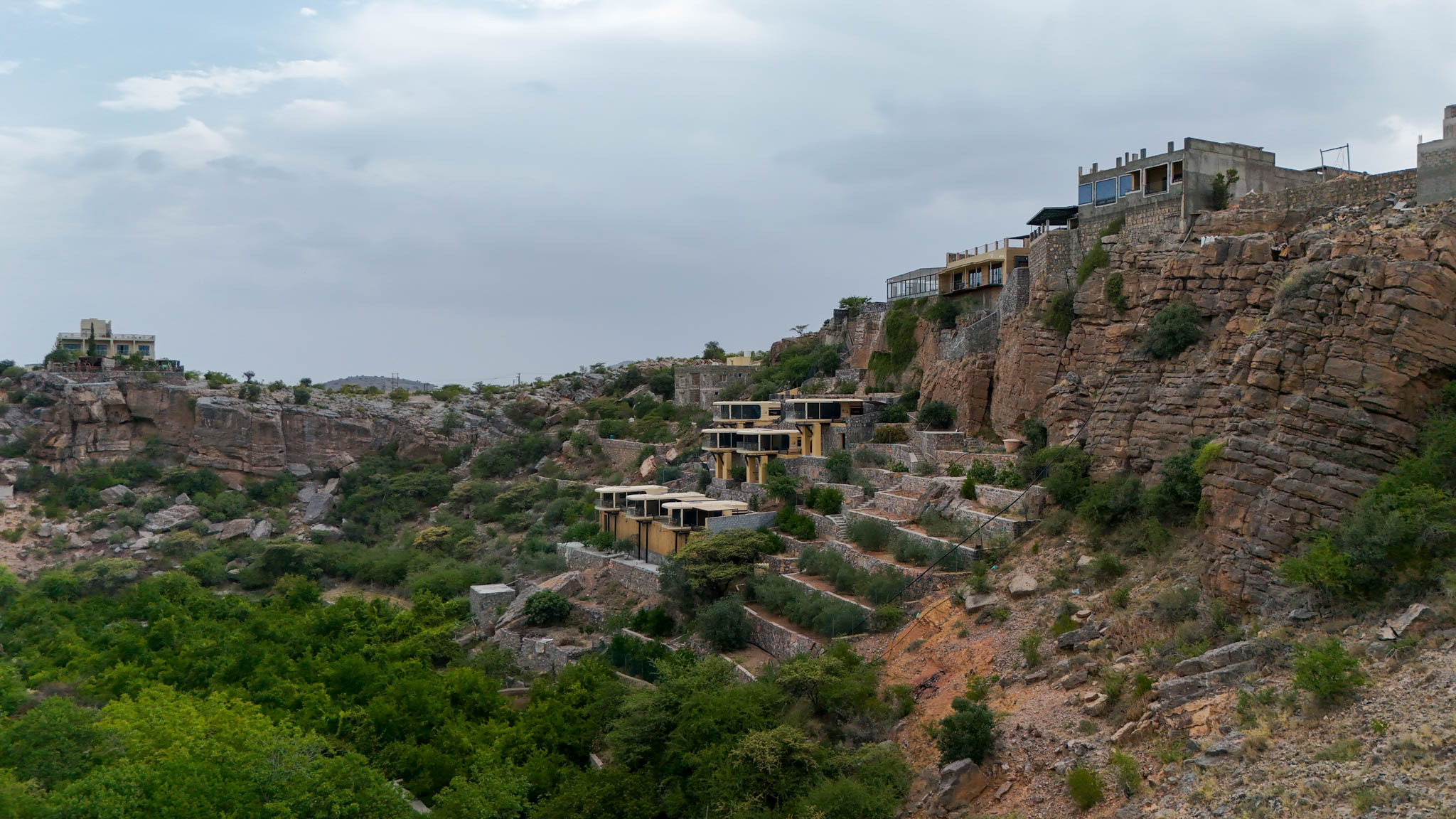
Aloevera DCamp, Jebel Akhdar. © Aloevera DCamp.
Frankincense Becomes An Experience Rather Than A Souvenir
Frankincense is one of the oldest threads running through Oman’s cultural identity. Known locally as luban, the aromatic resin has been traded for centuries and remains part of daily life, burned to welcome guests and used during celebrations and rituals.
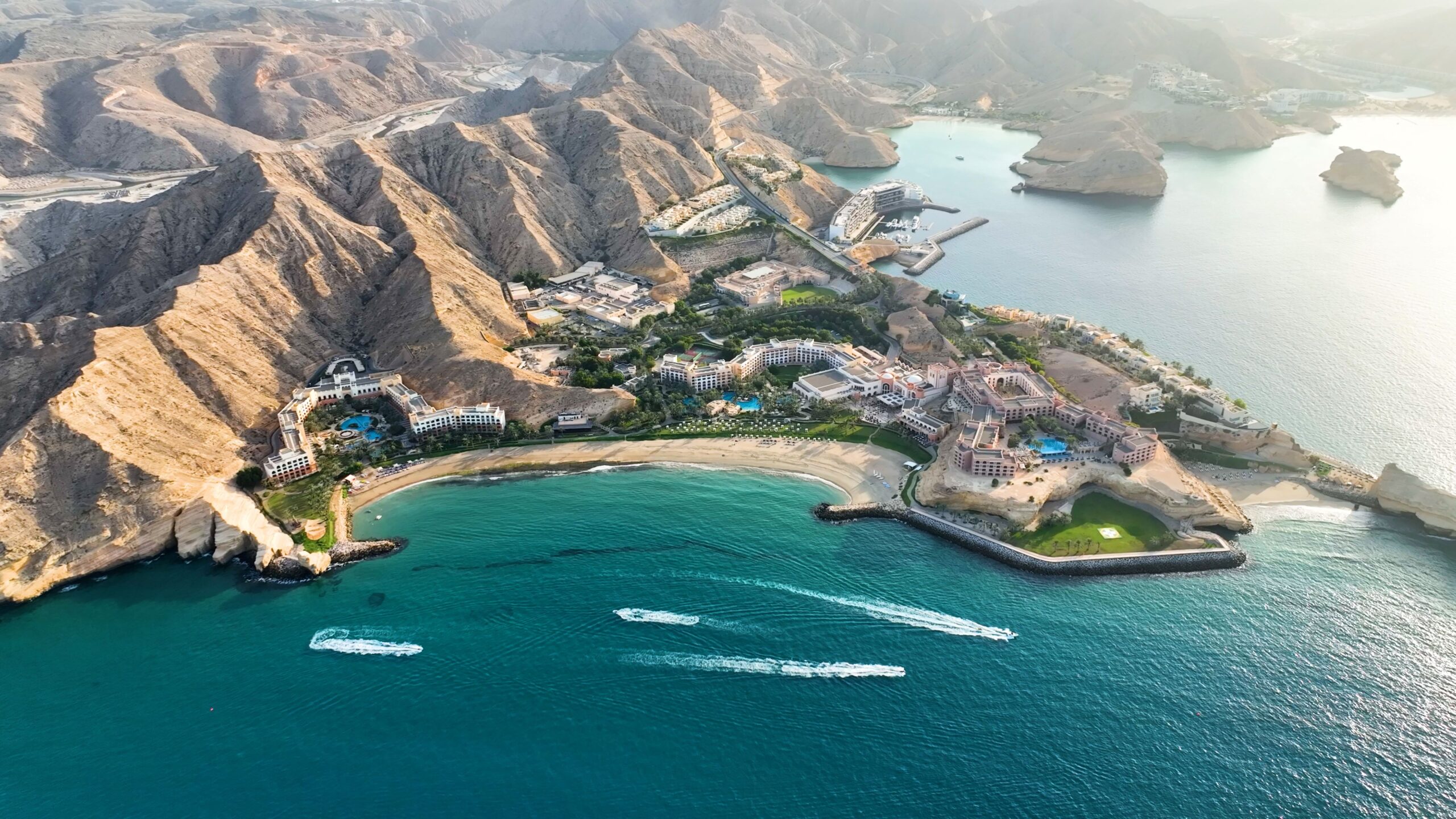
At Hilton Muscat, Barr Al Jissah Resorts, that heritage is being interpreted in a more immersive way. Omani frankincense specialist Khalid Al Amri guides guests through the property’s frankincense garden, home to around 20 Boswellia sacra trees, while explaining the resin’s origin, harvest, grades and cultural meaning.
The idea is compelling because it moves beyond the decorative use of heritage. Frankincense appears across the hotel experience — from spa rituals and retail products to food, desserts and drinks — but the most interesting element is the context around it. For travellers, the scent becomes a way into a much bigger story about Dhofar, trade and Omani hospitality.
Muscat’s Cultural Calendar Is Getting More International
Oman’s next chapter is not limited to hotels. The Royal Opera House Muscat enters its 15th season in October 2026 with a programme that moves between opera, orchestral performance, Arab musical traditions and jazz.
The season opens with Verdi’s Rigoletto, in a production associated with Franco Zeffirelli and presented with the Lithuanian National Opera and Ballet Theatre. The programme also includes the Oman debut of mezzo-soprano Elīna Garanča with the Orchestra of Teatro Regio Torino.
For travellers, the point is less about checking off another cultural landmark and more about seeing how Muscat is positioning culture as a living part of the city. The opera house remains architecturally grand, but its programming increasingly gives visitors a reason to engage with it beyond a daytime tour.
That complements the broader cultural side of the Sultanate we explored in our guide to the best museums and cultural places in Oman.
Even Oman’s Geology Is Becoming Part Of The Travel Story
In Jabal Akhdar, the fifth exhibition dedicated to Oman’s geological heritage runs through the end of December 2026 and introduces the Al Hajar Geopark project — the Sultanate’s first national geopark initiative.
The planned area covers around 5,400 square kilometres and is designed to make Oman’s geological history more accessible through tourism, education and research. Exhibits include ancient fossils, prehistoric animal models and dinosaur remains, connecting the mountain landscape travellers see today with a history measured not in centuries, but in hundreds of millions of years.
It is another example of the same broader shift: Oman is not inventing a new identity for tourism. It is finding new formats for explaining the one it already has.
Oman’s Advantage Is That It Still Feels Like Oman
Travel in the Gulf is changing quickly. New hotels, new destinations and large-scale projects are reshaping the region almost by the month. Oman’s strength is that its most persuasive experiences do not depend on scale.
A mountain house overlooking Jebel Akhdar. The scent of frankincense in Muscat. A night at the opera. A road disappearing between rock and desert. None of these experiences needs to shout.
That is why Lonely Planet’s 2027 recognition feels timely. Oman is modernising the way travellers encounter the country without making the mistake of turning every cultural asset into spectacle.
For anyone planning a Gulf itinerary in 2027, that restraint may be exactly what makes the Sultanate feel so relevant.
Oman Travel 2027 FAQ
Why is Oman on Lonely Planet’s Best in Travel 2027 list?
Lonely Planet highlights Oman for Arabian hospitality alongside its dramatic desert, mountain and coastal landscapes. The selection positions the Sultanate as one of the destinations worth considering for travel in 2027.
What is new in Jebel Akhdar?
Aloevera DCamp opened in Saiq in September 2026. The small mountain stay consists of seven modular houses at around 2,000 metres and is designed around views, landscape and a deliberately low-key hospitality concept.
Where can travellers learn about frankincense in Oman?
Dhofar is the historic heartland of Omani frankincense, while in Muscat the Hilton Barr Al Jissah experience introduces guests to the resin through a dedicated garden and guided interpretation. TBM also recommends the Museum of the Frankincense Land in Salalah for deeper historical context.
Is Oman a good destination for culture as well as nature?
Yes. Alongside mountains, desert and coastline, Oman has museums, forts, archaeological sites, galleries and the Royal Opera House Muscat. Our TBM Oman culture guide is a useful starting point.
What else should travellers read before planning Oman?
For the coast, see our guide to the best diving spots in Oman. For a wider cultural perspective, explore Oman’s Modern Icons.
Oman travel in 2027 will likely receive more attention following the Sultanate’s inclusion in Best in Travel 2027. The more interesting question is what travellers find once they arrive: a destination where landscape, heritage and hospitality still feel unusually connected.
xo,

Recommended Reads
Courtesy: Lonely Planet / Hilton / Aloevera DCamp / Lieb Management on behalf of Experience Oman
