



The Cultural Side of Oman Worth Travelling For
Hello Beauties,
Across Oman, more than 5,000 years of maritime history, frankincense routes, craftsmanship, dynasties and cultural exchange meet a country that is very much looking forward. From immersive technology near Nizwa to contemporary Omani art in Muscat, these are seven places worth adding to an Oman itinerary.
Oman Culture Guide — At A Glance
- For Omani history: National Museum, Muscat
- For an immersive experience: Oman Across Ages Museum, Manah
- For traditional dress and craftsmanship: Bait Al Zubair, Muscat
- For contemporary art: Stal Gallery, Muscat
- For frankincense heritage: Museum of the Frankincense Land, Salalah
- For music: Oman and the World at the Royal Opera House Muscat
- For living maritime heritage: the traditional dhow workshops of Sur
National Museum — Where To Begin With Oman
For anyone trying to understand Oman rather than simply pass through it, the National Museum is the logical starting point. Positioned in Old Muscat opposite Al Alam Palace, the museum brings together the long arc of Omani history — from early human settlement and the Bronze Age to maritime trade, Islam, ruling dynasties and modern life.
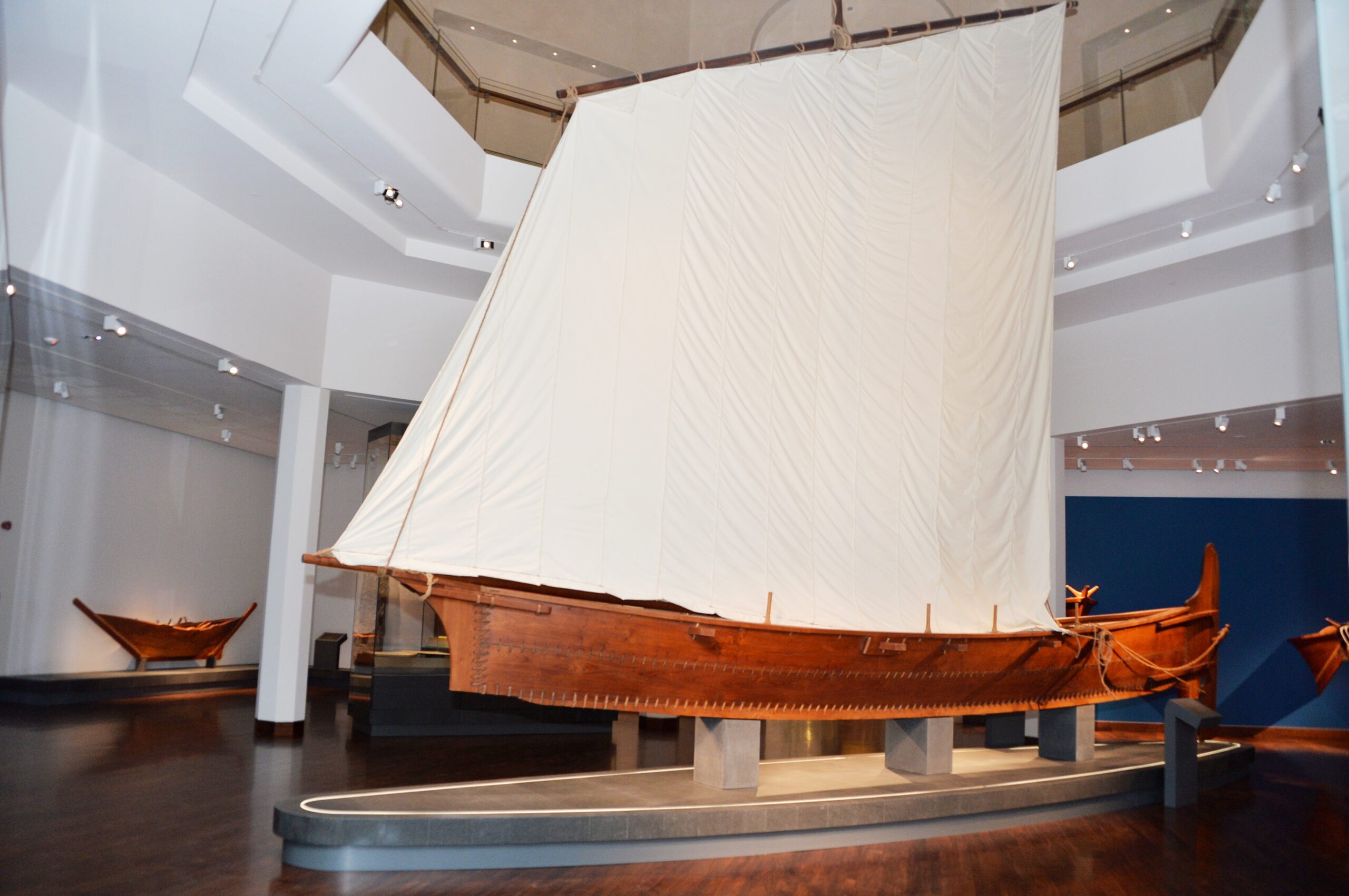
Its collections move between monumental history and beautifully specific details: traditional irrigation systems, coins, weapons, jewellery, craftsmanship and the curved Omani khanjar that remains such a recognisable symbol of the Sultanate. Among the archaeological material are objects connected with ancient Magan, while other displays explore the country’s relationship with the sea and the trade routes that connected Oman with Asia and East Africa.
Oman Across Ages Museum — When 5,000 Years Meet High-Tech
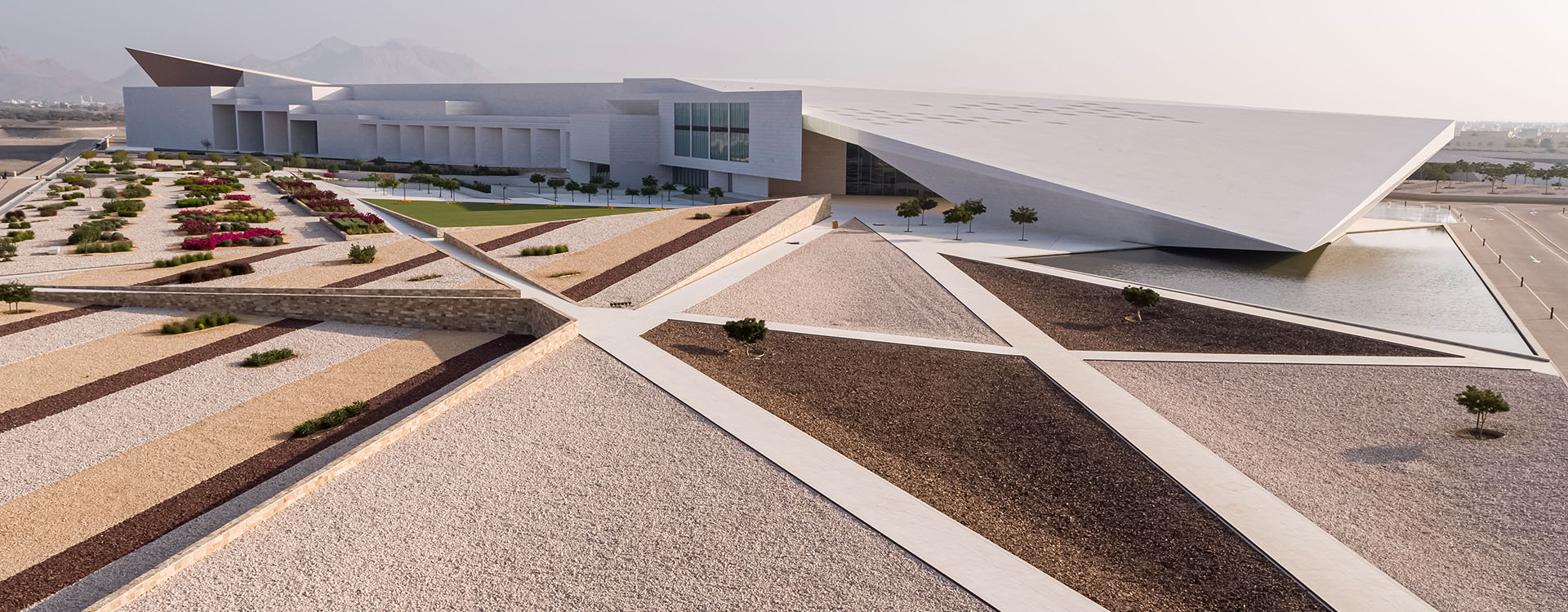
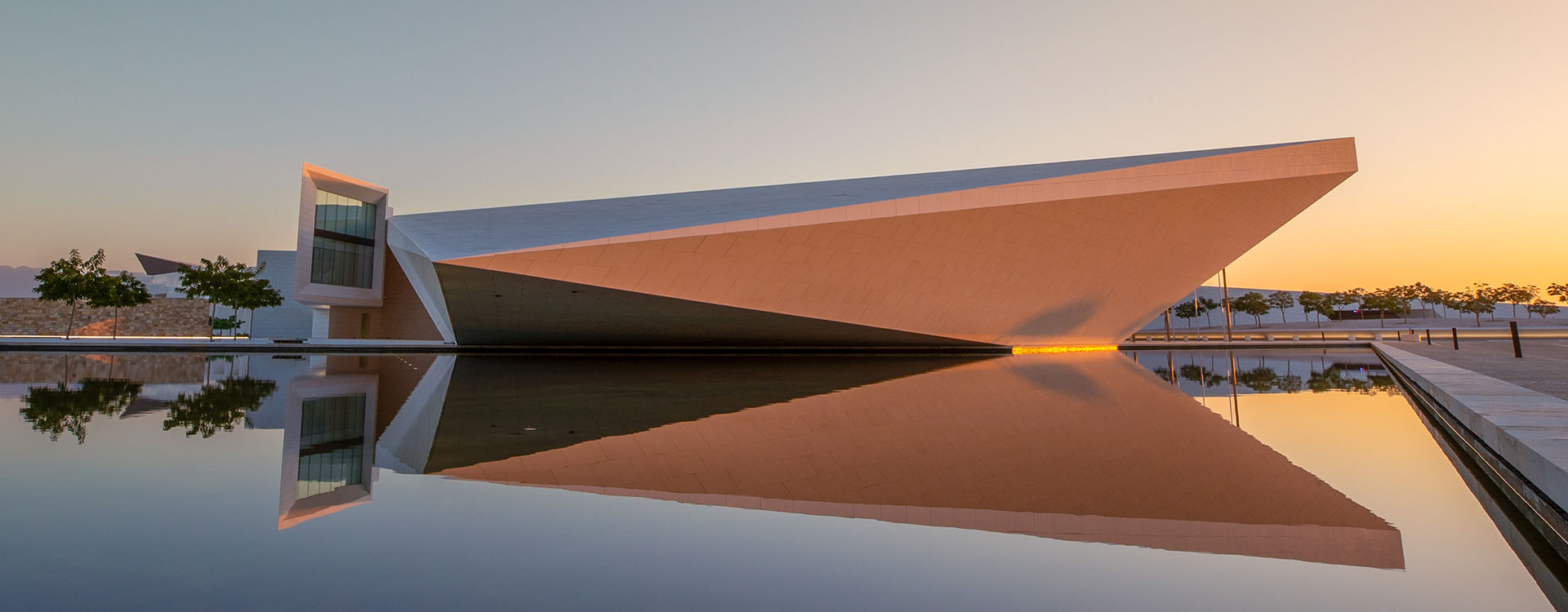
Around 20 kilometres from Nizwa, in Manah, history becomes decidedly more immersive. Oman Across Ages Museum approaches the story of the Sultanate through architecture, technology and scale — and the building itself is part of the experience.
Its angular form takes inspiration from Oman’s mountain landscape, while inside, visitors move through thousands of years of history: the formation of the land, early settlements, the Bronze Age and Magan civilisation, maritime routes, frankincense, Islam and Oman’s ruling dynasties.
Large-scale projections, interactive installations and virtual environments turn the historical narrative into something much more cinematic than a conventional museum visit. The Renaissance Gallery then shifts the perspective towards modern Oman and the profound transformation of education, healthcare, infrastructure and the economy since 1970.
Bait Al Zubair — A More Intimate Look At Omani Life
Bait Al Zubair tells a different kind of story. Rather than concentrating solely on dynasties and defining moments, the private museum looks closely at how Omanis lived, dressed and celebrated.
Across a collection of traditional buildings are ornate khanjars and swords, jewellery, clothing, household objects and musical instruments. Particularly fascinating is the wedding collection, which reveals the extraordinary detail involved in traditional dress and ceremonial jewellery.
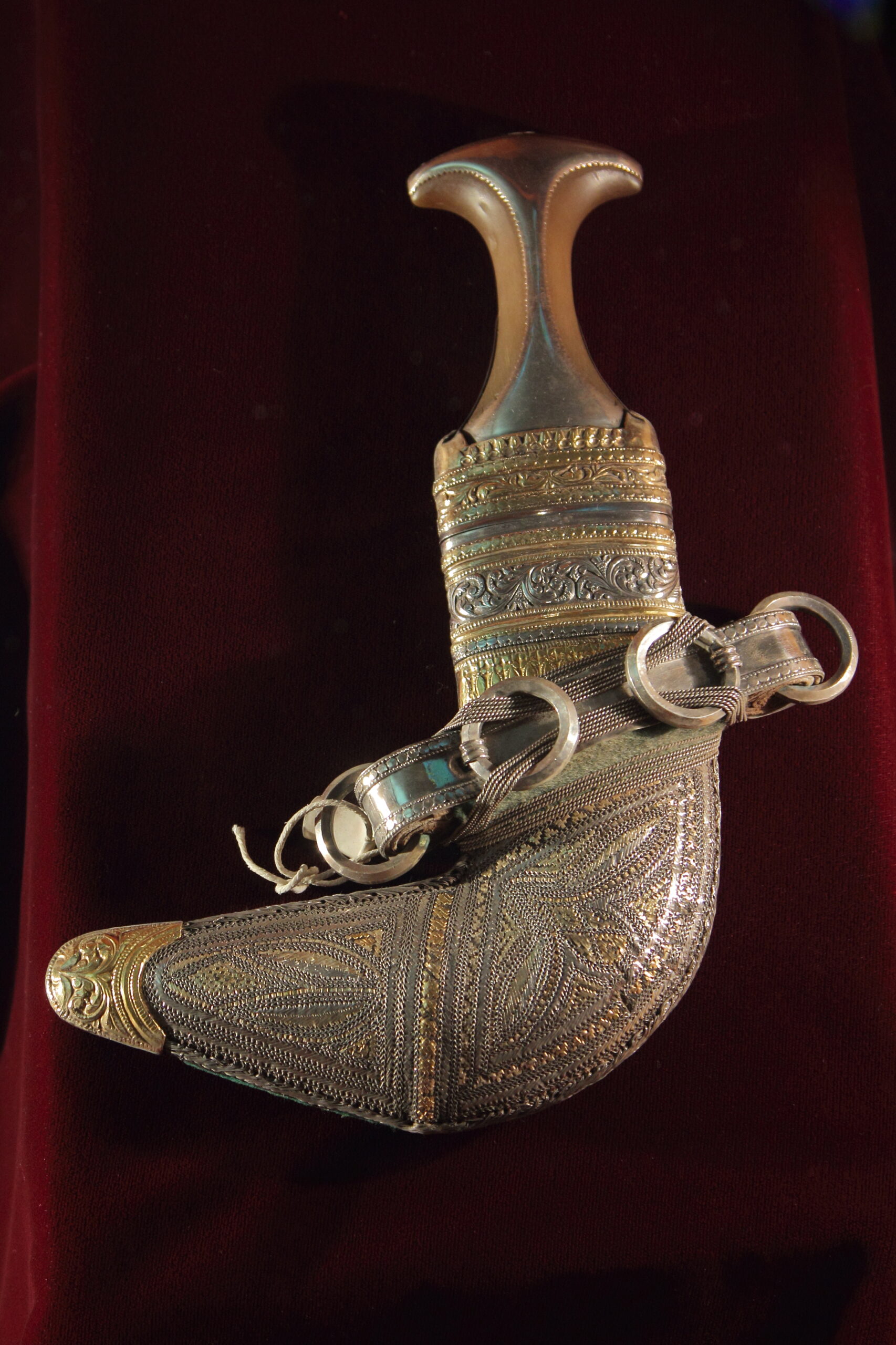
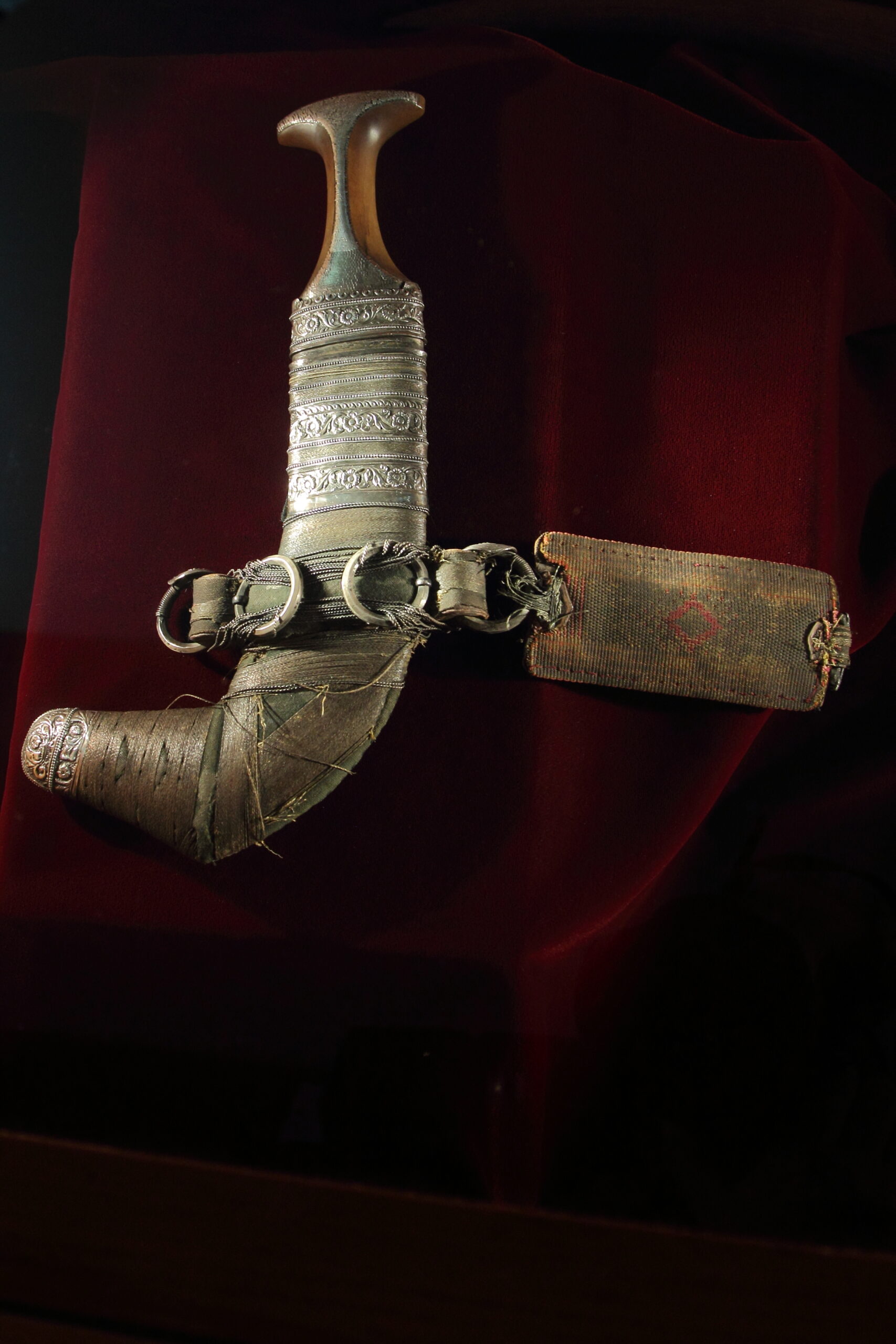
One of the houses recreates a traditional Omani home complete with a majlis, bedroom and storage areas. Then the story moves forward again through Gallery Sarah, where contemporary artistic practice sits alongside the historical collections.
Museum of the Frankincense Land — The Scent That Connected Oman To The World
To understand Dhofar, you have to understand frankincense. For thousands of years, the aromatic resin helped connect southern Oman with some of the great trading centres of the ancient world.
At the Museum of the Frankincense Land in Salalah, the story unfolds through the historic routes, uses and varieties of frankincense before moving into Oman’s maritime heritage. Ship models demonstrate how vessels carried goods across the Indian Ocean and reveal just how deeply trade and seafaring are embedded in the country’s identity.
The setting makes the visit even more worthwhile. The museum sits within Al Baleed Archaeological Park, part of the UNESCO-listed Land of Frankincense — turning the museum into an ideal starting point for exploring the wider history of Dhofar.
Stal Gallery — The Oman Of Right Now
History is only half the story. To see what younger and established Omani artists are thinking about today, head to Stal Gallery in Muscat.
Painting, photography, installations and mixed-media works explore identity, memory, landscape and the rapid evolution of the country. Traditional motifs are reconsidered rather than simply preserved, while personal narratives meet larger questions surrounding contemporary Omani society.
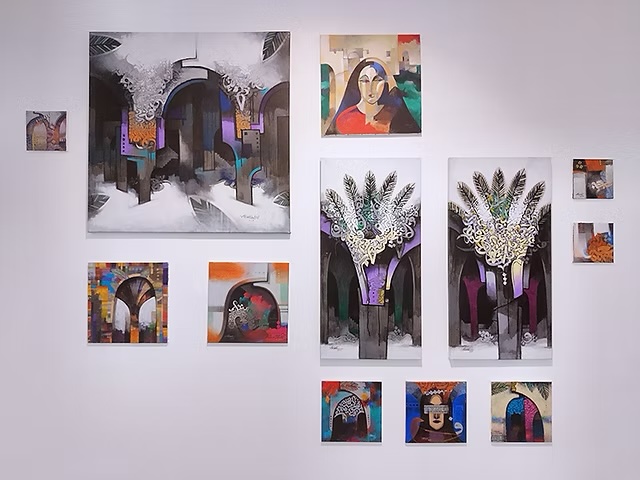
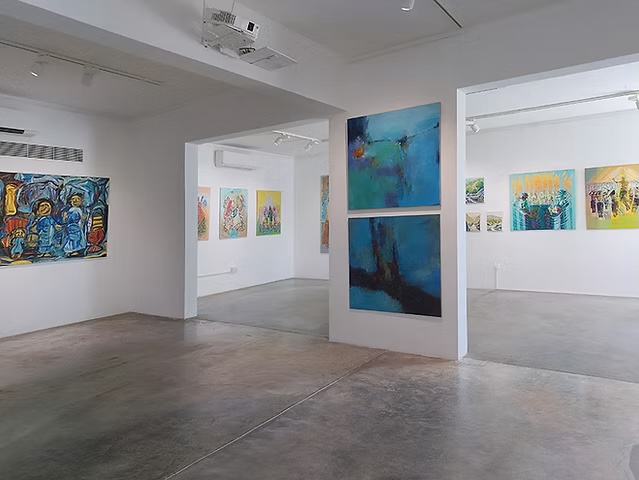

For travellers, it offers an important counterpoint to forts, archaeological sites and historic collections. Oman is protective of its heritage, but that does not mean its cultural identity is static.
Oman And The World — Listen To The Sultanate
At the Royal Opera House Muscat, Oman and the World: A Musical Journey approaches culture through sound rather than objects.
Across approximately 850 square metres, the exhibition explores everything from natural sounds and the science of music to instruments, rhythms and musical traditions from Oman and around the world. Interactive elements allow visitors to experiment with sound, explore rhythm and even step into the role of conductor.
It is an unusual addition to a Muscat cultural itinerary because it connects distinctly Omani musical traditions with a much wider global story — entirely fitting in a country whose history has always been shaped by international exchange.
Sur’s Dhow Workshops — Where Heritage Is Still Being Built
Sometimes the best cultural experience is not inside a museum at all.
In Sur, traditional wooden dhows are still constructed beside the lagoon. Large teak planks are cut, shaped and assembled into vessels using techniques and knowledge handed down through generations. The remarkable part is the process itself: experience and craftsmanship guide the construction in a tradition that historically produced the ships sailing from Oman across the Indian Ocean towards India and East Africa.
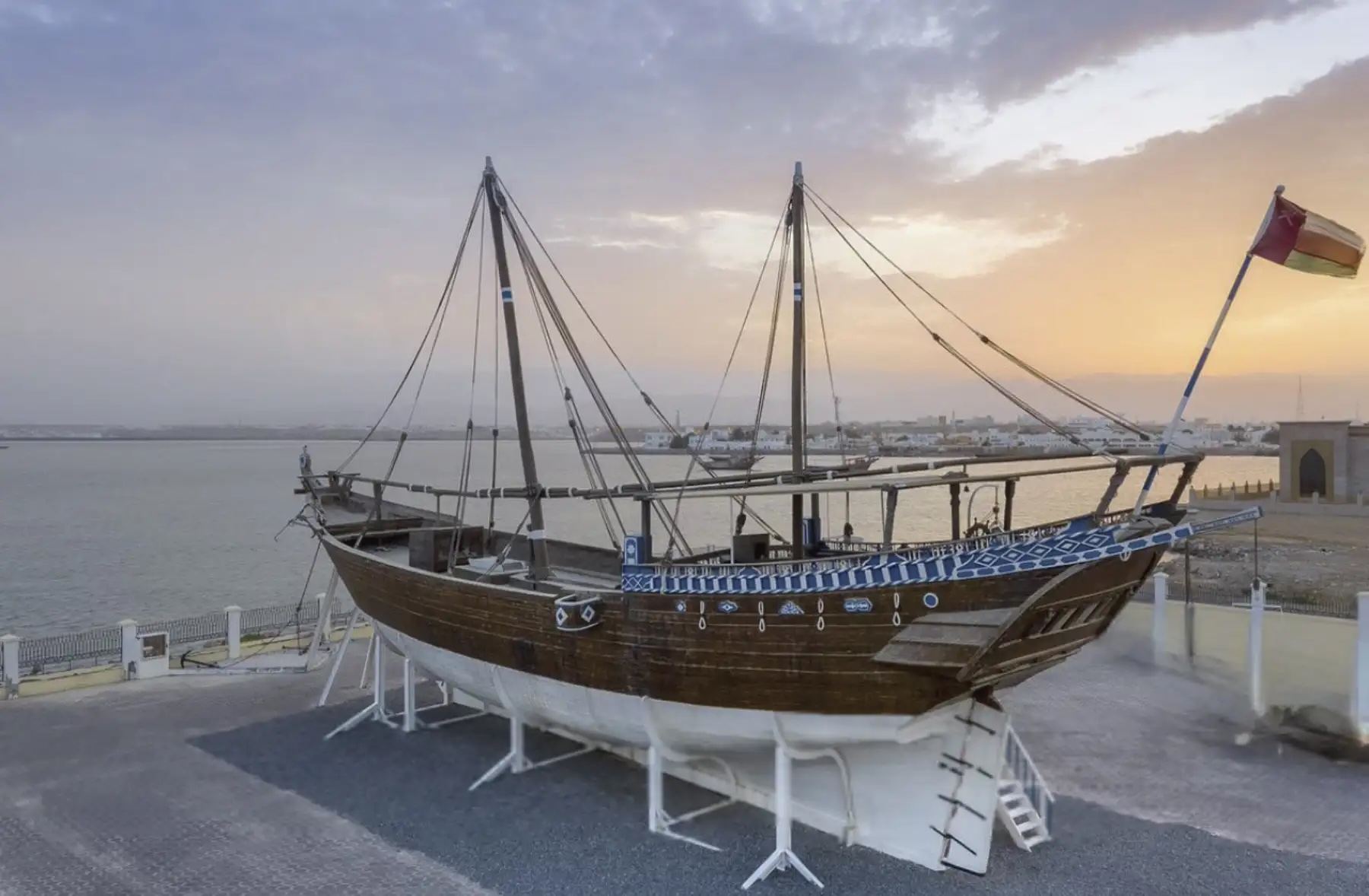
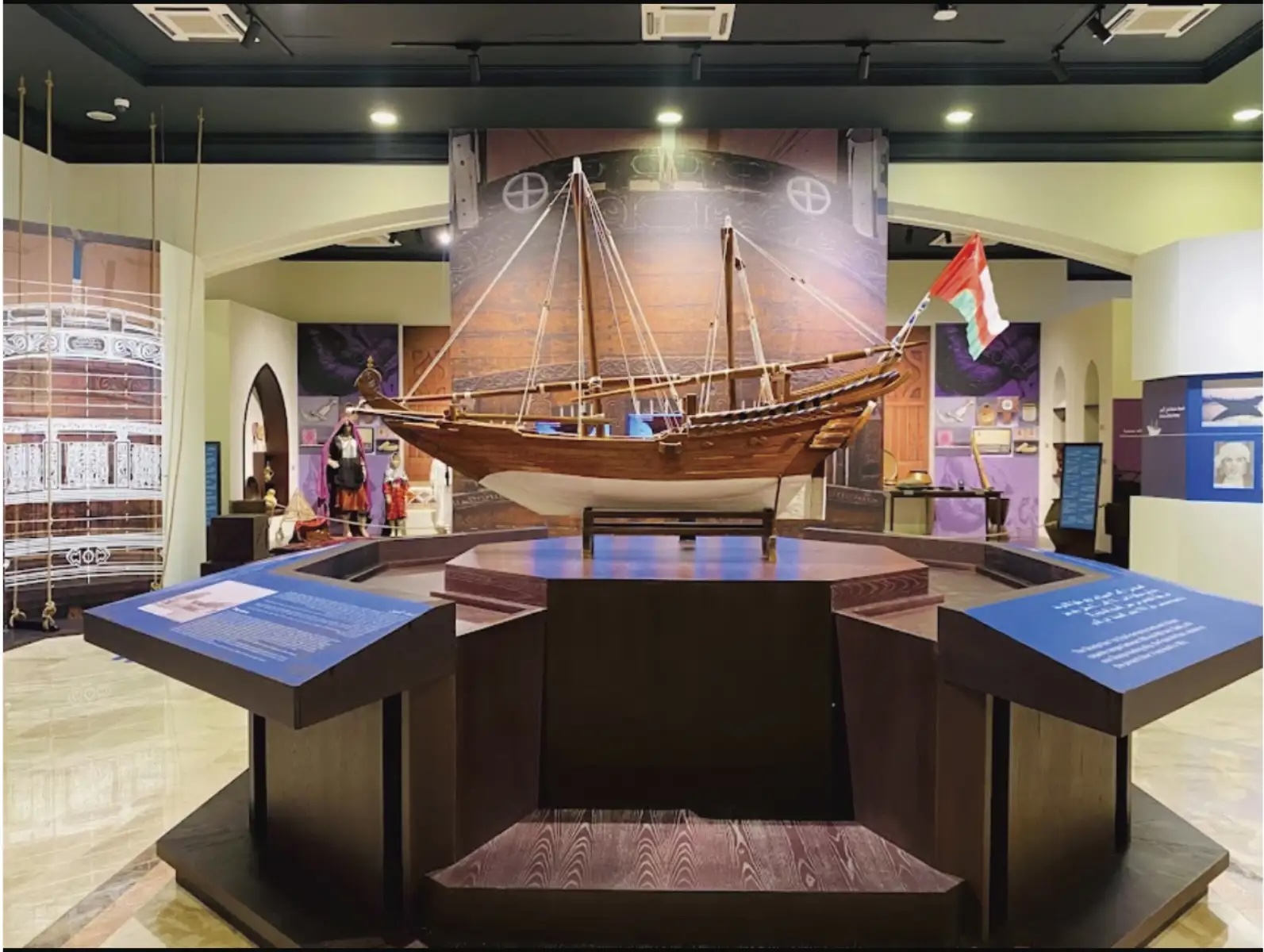
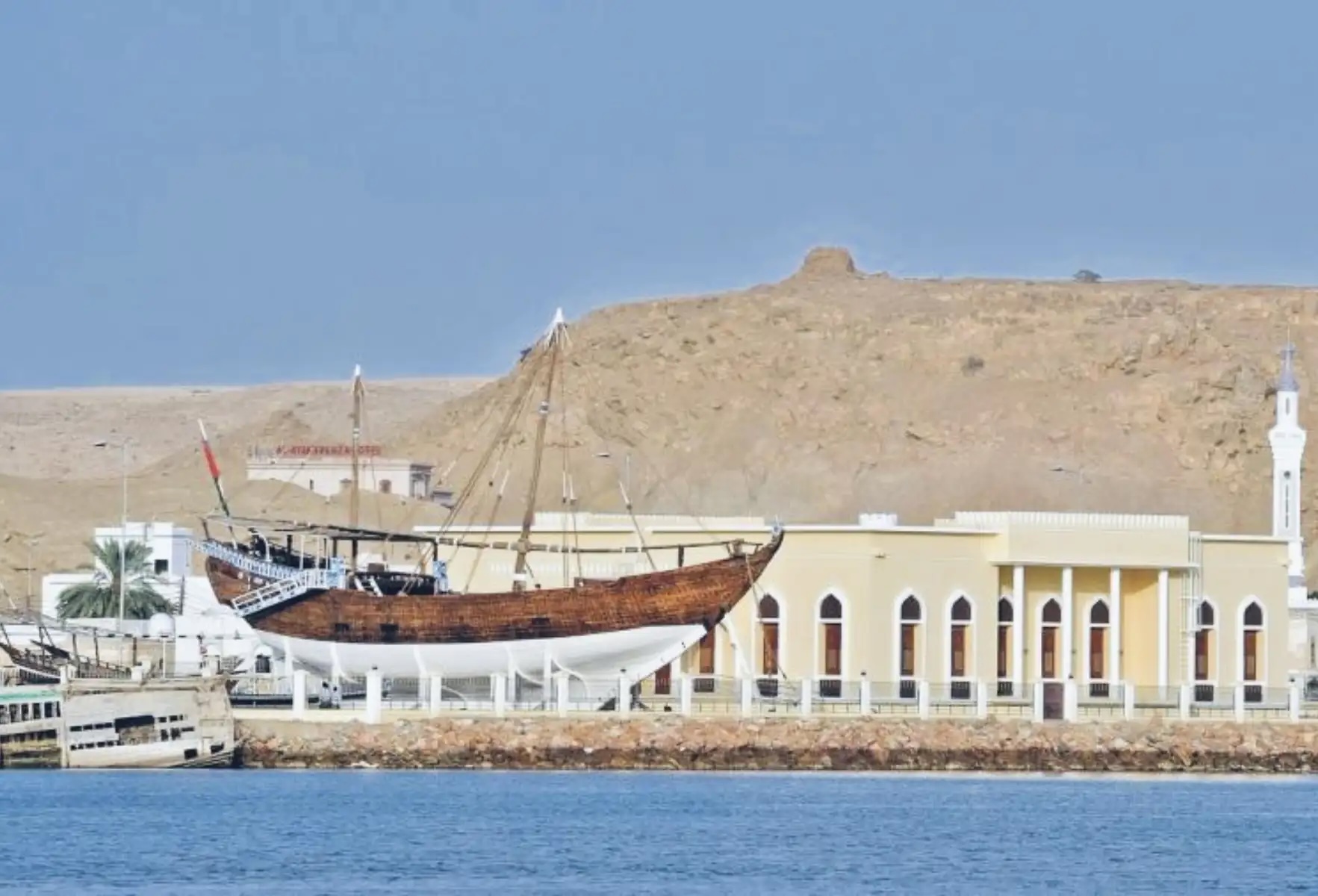
Nearby, the Fath Al Khair Center adds historical context through photographs and maritime exhibits. But watching a traditional dhow take shape is what transforms the stop from an exhibition into living heritage.
Oman Is More Than Its Landscape
Oman makes it very easy to become distracted by the obvious beauty — mountains folding into wadis, desert dunes, turquoise water and dramatically empty roads.
But spend a little longer with the country and another Oman starts to appear: one shaped by Magan, frankincense merchants, sailors crossing the Indian Ocean, elaborate wedding traditions, contemporary artists and craftsmen still building wooden boats by hand.
That is the Oman worth making time for. Not simply a beautiful destination, but a country whose past remains unusually visible in its present.
Oman Travel FAQ
What are the best museums to visit in Oman?
For a first visit, the National Museum in Muscat and Oman Across Ages Museum near Nizwa are two of the strongest starting points. Bait Al Zubair offers a more intimate perspective on Omani culture, while the Museum of the Frankincense Land is particularly relevant for travellers visiting Salalah and Dhofar.
Is Oman Across Ages Museum near Nizwa?
Yes. Oman Across Ages Museum is located in Manah, approximately 20 kilometres from Nizwa, making it easy to include in a wider Nizwa and interior-Oman itinerary.
Where can you see contemporary art in Oman?
Muscat has a growing contemporary art scene. Stal Gallery is one of the places to discover works by emerging and established Omani artists alongside international artists.
Where can you learn about frankincense in Oman?
The Museum of the Frankincense Land in Salalah explores the historic frankincense trade and Oman’s maritime connections. It sits within Al Baleed Archaeological Park in the UNESCO-listed Land of Frankincense.
Where can you see traditional dhow building in Oman?
Sur is closely associated with Oman’s maritime heritage and traditional dhow building. The Fath Al Khair Center and local boat-building tradition provide further context on the city’s long connection with seafaring.
Is Oman good for a cultural trip?
Absolutely. Oman combines archaeological sites, museums, forts, galleries, traditional craftsmanship, maritime heritage and contemporary culture, making it particularly rewarding for travellers who want more than a resort-based holiday.

